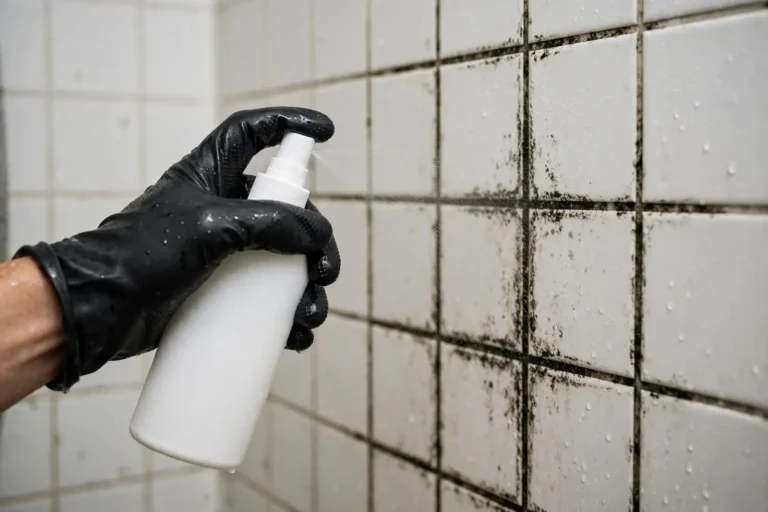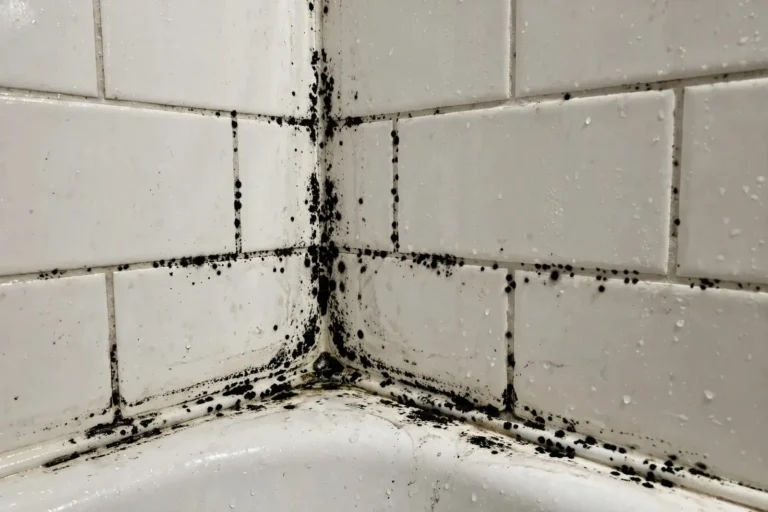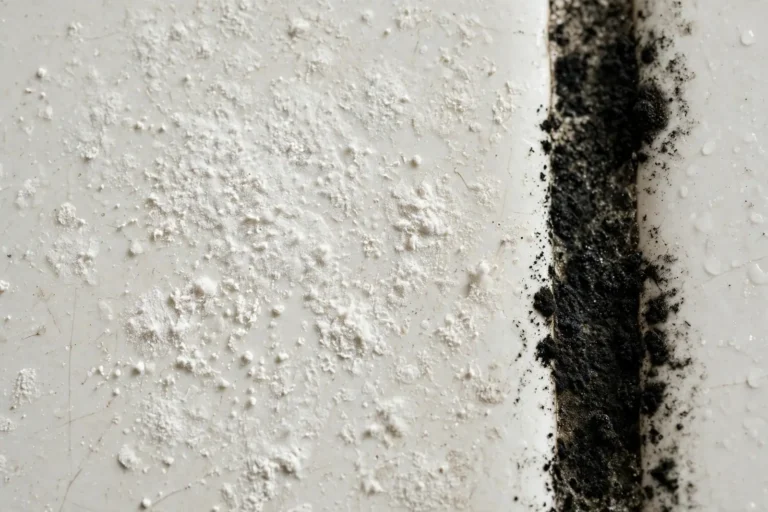
Who pays for mold in a Florida condo usually depends on where the moisture came from. If the source is a common element, the association typically handles the repair as a common expense. Roofs, exterior walls, and shared pipes fall in that group. If the source is inside the unit, the owner usually pays. Think of a washing machine hose or a clogged AC drain line. Your declaration of condominium sets the final line, and Fort Lauderdale buildings differ more than most owners expect.
Monday morning. A Fort Lauderdale owner spots dark spots on the bedroom ceiling of her unit. She calls the property manager, who says to call her own insurance. Her insurer asks whether the association has been notified. The board wonders if the roof or the unit above is to blame. Here is a scenario, not a real client story, but it repeats in condo buildings everywhere. Two weeks pass, and nobody has dried anything. The ceiling stain now covers half the room. The argument over who pays outlasted the water by ten days.
This guide splits the question into its real parts. You get the legal starting point and the source-based rule. You also get what each insurance policy covers and a 48-hour plan that works while the dispute continues. It also covers what boards should do. One piece of common advice gets challenged: do not wait for the blame to settle before you dry the unit. If the source is still unclear, Mold Remediation Ft Lauderdale can connect you with an independent mold professional to trace it.
Mold in your home or business?
Talk to a remediation specialist now — fast response across Fort Lauderdale.
What Does Florida Law Say About Mold in a Condo?
Florida has no standalone mold statute for condos. Responsibility runs through Chapter 718, the Florida Condominium Act, and your own declaration. Section 718.113 makes the association responsible for maintaining common elements, unless the declaration assigns some of that duty to owners. Common elements are the parts of the condominium property not included in the units.
Insurance rules sit in Section 718.111. The association must insure the building as originally installed. Owners insure what the master policy excludes. The statute also makes an owner pay for uninsured damage. That applies when the owner’s negligence or rule violation caused it.
A common-sense read follows from that. Mold is a result, and the water source is the cause. Whoever owns the cause usually owns the bill. The declaration decides the edge cases, so read it before you argue.
Who Pays When the Water Source Is a Common Element?
When the source is a common element, the association typically pays to fix the source and restore what it insures. Roofs, exterior walls, windows in the building envelope, shared risers, and drain stacks all fall in this group. A roof leak that lets rain into a top-floor unit is a common element failure. So is a failed exterior wall seal.
In most buildings the association also insures the drywall inside your unit. The master policy covers the building as originally installed, and that includes the drywall. The owner covers the finish on top of it, such as paint, wallpaper, and flooring.
Storm-driven rain makes this split common. In the Harbor Beach neighborhood of Fort Lauderdale, oceanfront buildings can take wind-driven rain against exterior walls and windows. Failed seals let that water into units.
If the association neglected known maintenance and mold followed, owners may have a negligence claim. Ask a Florida condo attorney about that path. The facts matter, and the declaration matters more.
Who Pays When the Water Source Is Inside My Unit?
When the source is inside your unit, you typically pay to fix it and clean up the mold it caused. Washing machine hoses, dishwasher lines, toilet supply lines, and water heaters are the usual culprits. If the leak also damages the unit below, you may owe for whatever that owner’s insurance does not cover.
AC systems sit in a gray zone. In many Florida condos, equipment serving only one unit belongs to that owner. Shared risers and building loops belong to the association. Some declarations divide these parts differently, so check yours. A clogged condensate line can overflow into the ceiling below, and the question of who maintains it comes up fast.
The most common miss in condo water events is not the leak itself. It is assuming the association owns a problem that the declaration puts on the owner. Read the maintenance section first.
What Does the Master Policy Cover, and What Does My HO-6 Cover?
The master policy covers the building as originally installed, and your HO-6 covers what the master policy excludes. By statute, the master policy excludes several items inside the unit. These include floor, wall, and ceiling coverings, electrical fixtures, and appliances. They also include water heaters, built-in cabinets, countertops, window treatments, and personal property. Those items fall to your HO-6 policy. An HO-6 also carries liability and loss assessment coverage.
Mold adds a wrinkle. Many Florida policies apply a separate mold sublimit, commonly 1,000 to 10,000 dollars, though the figure varies by policy, even when the water loss is covered. Some policyholder attorneys note that drying and tear-out belong to the water claim rather than the mold cap. Ask both your carrier and the association how each piece is being treated.
Flood is a separate problem. Standard master policies and HO-6 policies typically exclude flood, so you need a flood policy. Florida law also typically requires written notice of a new residential claim within one year of the loss. Rules have changed in recent years, so confirm current deadlines with your carrier or a Florida attorney. This is general information, not legal or insurance advice.
What If a Neighbor’s Leak Caused the Mold?
If a neighbor’s leak caused the mold, the answer depends on whether the leak was foreseeable. A sudden failure, such as a burst water heater, usually leaves the association responsible for common drywall repairs. A known problem left unfixed, or a faucet left running, can put the cost on the neighbor. Florida does not make an owner automatically liable just because water started in their unit.
Start with your own HO-6 claim for interior damage. Then notify the association in writing, since plumbing lines and structure often fall to them. Insurers can sort out fault between themselves later.
Many units in the Flagler Village neighborhood of Fort Lauderdale share walls and floors. A leak in one unit reaches its neighbors fast.
What Should I Do in the First 48 Hours in a Condo?
Dry the space and document everything within 48 hours, and do not wait for the blame to settle. Notify the board in writing, file your HO-6 claim, and request an assessment if the cause is disputed. Your policy also expects reasonable steps to prevent further damage. For the drying timeline, see how long mold takes to grow after water damage.
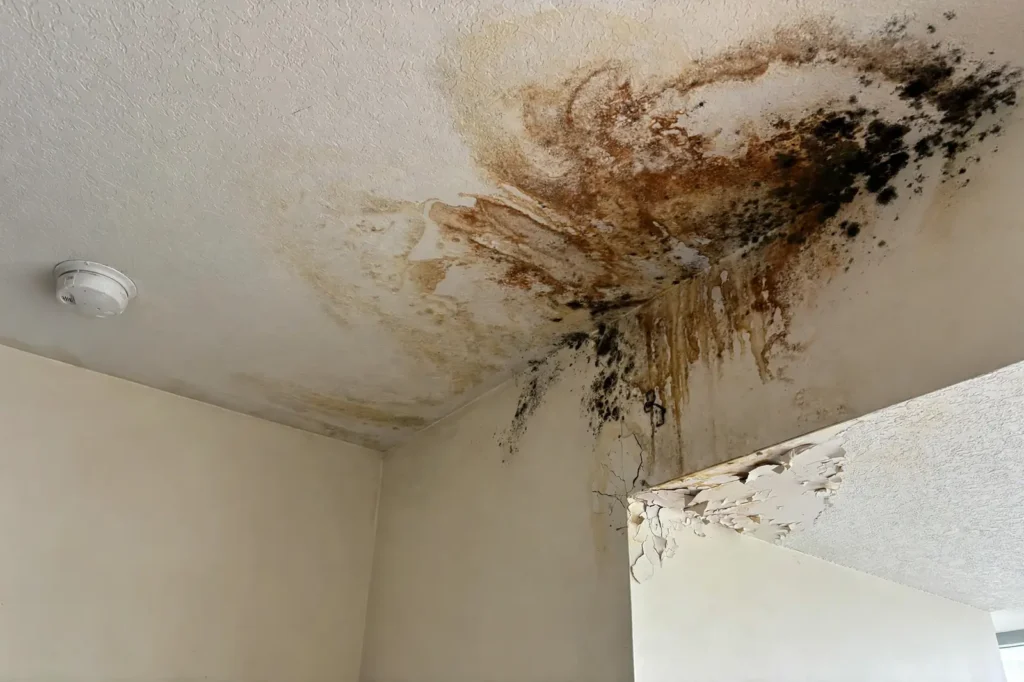
- Hours 1 to 3: Notify management in writing. Email the manager and the board. Ask them to identify the source in writing.
- Within 24 hours: File claims. Notify your HO-6 carrier, and ask the association whether it has filed under the master policy.
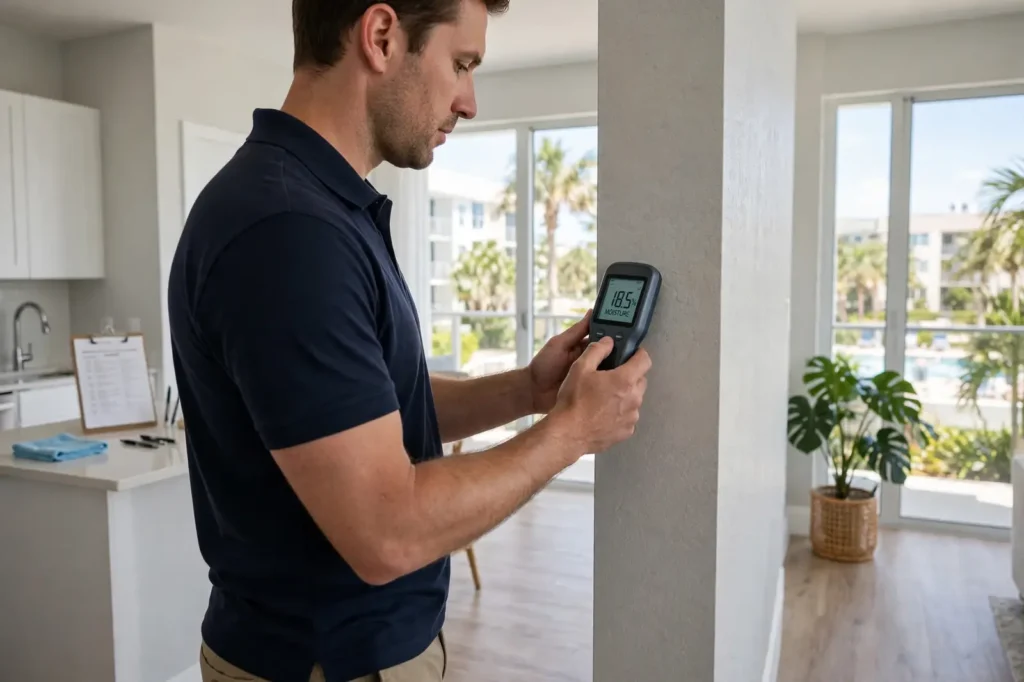
- Within 48 hours: Request an assessment if the cause is disputed. A written report from a mold assessor gives everyone the same facts.
Keep every receipt for emergency drying. If you and the association disagree on the source, dry first and argue second. You can dispute the invoice later. You cannot un-grow mold.
Mold in your home or business?
Talk to a remediation specialist now — fast response across Fort Lauderdale.
How Does Mold Remediation Work in a Condo?
For the cleanup steps, see our mold remediation process.
How Much Does Condo Mold Remediation Cost?
Mold work in a condo costs what it costs in a house, but the bill splits between two policies. Many Florida policies cap mold at a sublimit of 1,000 to 10,000 dollars, though the figure varies by policy, even on a covered water loss. A job that crosses several rooms or reaches ductwork can pass that cap fast. Full Fort Lauderdale pricing ranges are on our homepage. A written estimate after an inspection gives the number both sides work from, and prices may vary after inspection.
What Should Boards and Property Managers Do?
Boards should respond in writing within days, identify the source, and dry the affected area while the cost dispute continues. Section 718.113 puts common element maintenance on the association. Directors also owe owners a fiduciary duty under Section 718.111. Delay can turn a small claim into a negligence claim.
Keep a written log of complaints, inspections, and repairs. Ask a mold assessor for a report when the source is contested. Coordinate remediation with a vendor who provides scope, photos, and clearance documentation. Review the declaration with association counsel before you decide who pays.
Condo owners in older, low-lying buildings face added exposure after big rain events. In April 2023, Fort Lauderdale recorded 25.91 inches of rain in about a day. News photos showed receding floodwater. Ground-floor units and shared systems often take the first hit in events like that.
Mold in your home or business?
Talk to a remediation specialist now — fast response across Fort Lauderdale.
Frequently Asked Questions
Is the condo association responsible for mold inside my unit?
Sometimes. If the water came from a common element, the association typically pays to fix the source. It also restores what it insures. Roofs and shared pipes are examples. If the water came from your unit, you usually pay. Your declaration decides the details.
Does my HO-6 policy cover mold?
Often, but with limits. Many Florida policies cap mold coverage at a separate sublimit, commonly 1,000 to 10,000 dollars, though the figure varies by policy. Your HO-6 also covers floor coverings, cabinets, and contents that the master policy excludes. Read your declarations page, then call your carrier.
Who pays when mold comes from an upstairs neighbor?
See the section “What If a Neighbor’s Leak Caused the Mold?” above in this guide.
Can the association enter my unit for mold work?
Usually, with reasonable notice. Florida law and most declarations give associations access to units for maintenance and repair of common elements. Ask for the notice and scope in writing. Confirm details with your association’s counsel or your own attorney.
What records should I keep during a condo mold dispute?
Keep dated photos, every email with the manager or board, and your HO-6 claim number. Save receipts for drying, inspections, and any repairs you paid for. A moisture report from a mold assessor carries weight because it is neutral. Together, those records show the timeline if the cost question reaches an attorney.
Who do I call first when I find mold in my condo?
Start with the property manager or board, in writing, so the report is dated. Send photos of the growth and of any visible water source. File your HO-6 claim in parallel, because your carrier will ask when you reported it. If nobody acts and water is still entering, treat the drying as urgent and keep every receipt.
Should I wait for the association’s decision before cleaning up?
No. Do not wait for a ruling before drying. Photograph the damage, notify the association in writing, and start drying at once. Keep receipts, and sort out the cost afterward. For the drying timeline, see how long mold takes to grow after water damage.
Ready to Talk Through Your Condo Mold Problem?
Own a unit, sit on a board, or manage a building? Call Mold Remediation Ft Lauderdale to discuss scope and a project-specific quote. Reach us at (855) 732-0108. We serve Fort Lauderdale and Broward County homes, condos, and commercial properties. Tell us where the water came from and how long the area has been wet.