Mold Removal & Remediation in
Fort Lauderdale, FL
Dealing with mold removal in Fort Lauderdale, FL? Mold Remediation Ft Lauderdale connects you with independent mold professionals who perform inspection, removal, and clearance testing for homes and businesses — they set the scope of the work. Call (855) 732-0108 to get started.
Mold removal in Fort Lauderdale means removing mold growth and fixing the moisture that caused it. Mold remediation goes further. It adds containment, HEPA air filtration, and clearance testing, so mold levels return to normal.
Mold Remediation Ft Lauderdale is a referral service that connects Fort Lauderdale property owners with independent mold professionals. A job may start with a mold inspection by an independent mold professional. Confirm availability and timing with the provider when you call. The inspection may find hidden moisture and map the growth, and the provider may give you a cost range before work begins.
Call (855) 732-0108 to request a mold inspection.
Mold in your home or business?
Call to be connected with an independent provider.
Signs You Need Professional Mold Removal in Fort Lauderdale, FL
Signs you need professional mold removal in Fort Lauderdale include visible growth, a musty smell, and recurring mold. Dark spots on a bathroom ceiling, discolored grout lines, or stains spreading through carpet can indicate active growth. Confirming whether a stain is mold takes moisture readings or sampling, not a visual guess.
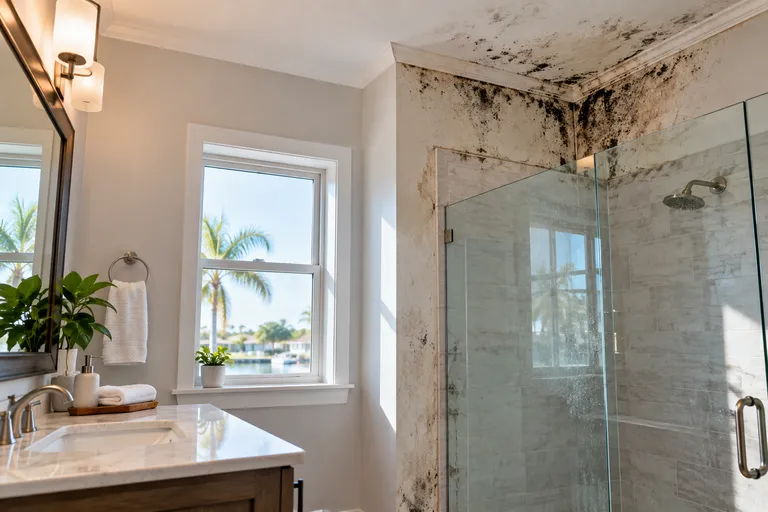
Bathroom mold, including ceiling mold above the shower, usually starts where ventilation is weakest. Common spots are the tub edge, grout lines, and behind the toilet. Fort Lauderdale humidity slows drying, so damp surfaces stay damp longer after each shower.
Carpet mold usually follows a water event, such as a slow leak, an undried spill, or a damp subfloor. After a storm or appliance leak, carpet can hold moisture in the padding below the surface.
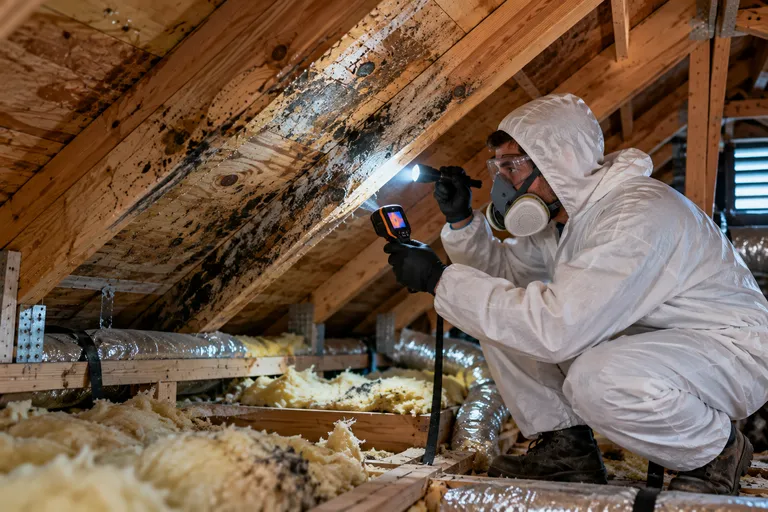
Attic mold and crawl space mold can grow unnoticed because these areas are outside a normal walkthrough. Heat and trapped moisture under the roof deck, or a leaking HVAC condensation line, often feed attic growth. A musty smell with no obvious source can point to hidden growth in an attic, crawl space, or wall.
Mold that returns after wiping, or a smell that survives cleaning, usually means moisture is still active. Household cleaners can remove surface growth, but they do not stop the damp material behind it from feeding regrowth.
Emergency Mold Removal After Storm or Water Damage in Fort Lauderdale
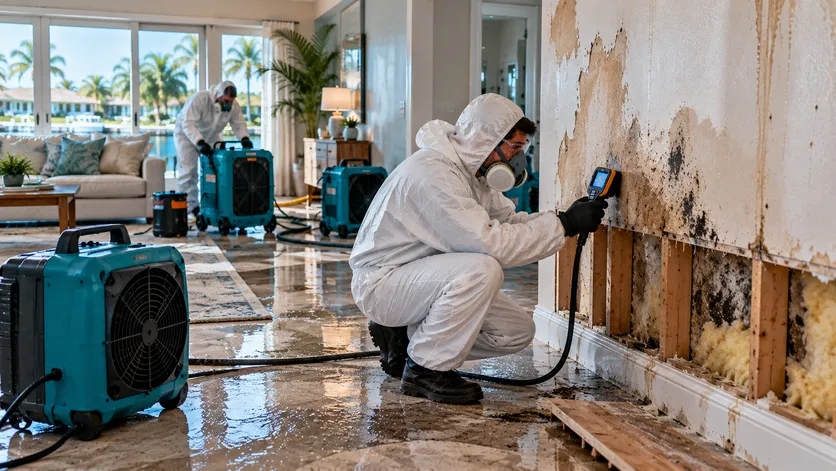
Emergency mold removal after storm damage in Fort Lauderdale works well when drying starts within 24 to 48 hours. Hurricane season runs June 1 to November 30, and storm surge or heavy rain can soak wall cavities fast. Even without a hurricane, king tide flooding can push water into low-lying Fort Lauderdale homes. See what to do in the first 24 to 48 hours after water damage.
Critical drying window — mold can take hold after this point
Mold Inspection in Fort Lauderdale
A mold inspection checks the mold you can see and the moisture you cannot. Inspection availability and timing vary by provider. Confirm them with the independent provider when you call. See what a mold inspection covers.
A 5-Step Mold Cleanup Process
Professional mold remediation in Fort Lauderdale typically follows five steps — inspection, containment, removal, HEPA cleaning, and clearance testing — with the IICRC S520 standard as a reference. The full step-by-step breakdown is explained on our dedicated process page.
Mold Removal by Area of the Property in Fort Lauderdale
Mold removal in Fort Lauderdale changes with the area of the property, because each space traps moisture differently. Attics, crawl spaces, basements, bathrooms, ceilings, carpet, and HVAC systems each need different access, containment, and material handling. Each area still follows the same sequence of inspection, containment, removal, and clearance testing.
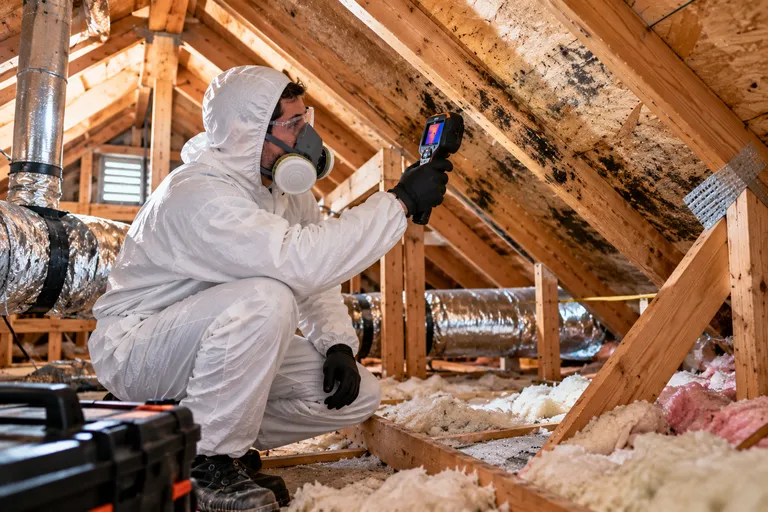
Attic Mold
Attic mold in Fort Lauderdale usually starts with heat and moisture trapped under the roof deck. A leaking HVAC condensation line running through the attic often adds to the problem. Removal needs full attic access, so the provider’s crew often pulls insulation from the affected area and replaces it afterward.
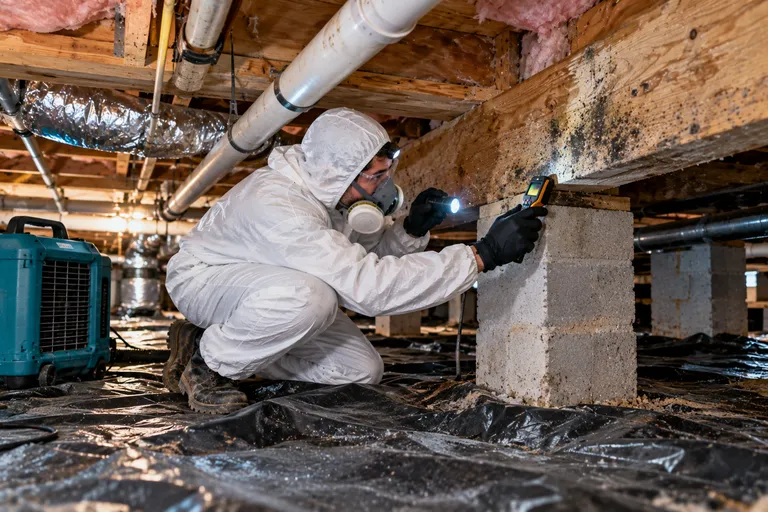
Crawl Space Mold
Crawl space mold grows where humid air meets little airflow close to the ground. Many South Florida homes sit on slabs, but some older raised homes have crawl spaces. Crawl space removal typically requires full access to the space, including any insulation or vapor barrier in place. Basements are uncommon in Fort Lauderdale because of the high water table; where one exists, conditions are similar to a crawl space.
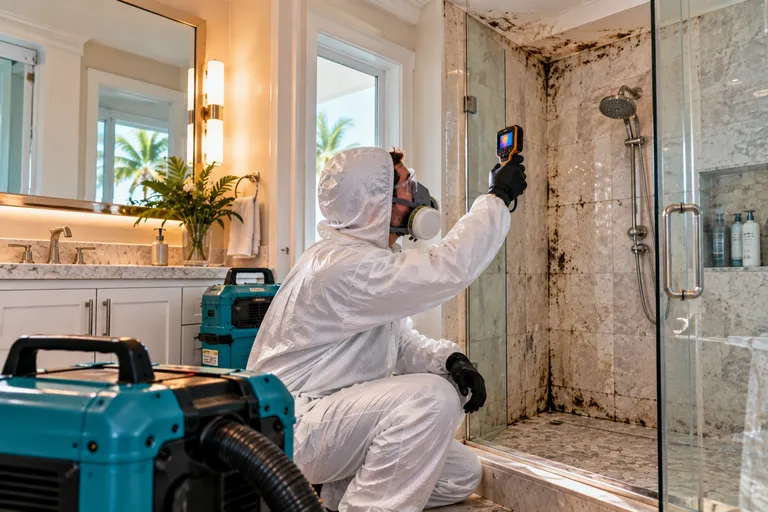
Bathroom Mold
Bathroom mold grows where steam lingers and ventilation is weak. Removal can mean replacing caulk, grout, or damaged drywall, because mold penetrates porous materials. A bathroom fan that vents into the attic instead of outdoors can feed attic mold too.
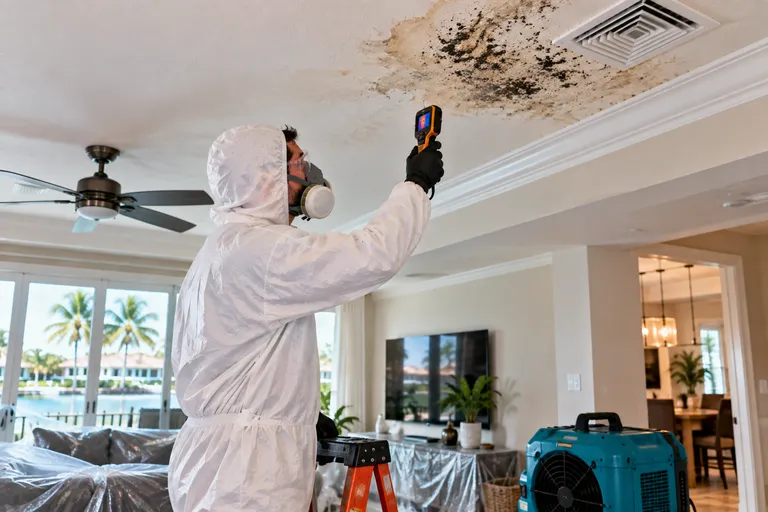
Ceiling Mold
Ceiling mold often points to a roof leak, a plumbing leak above, or an HVAC condensation line. Cleaning or repainting the ceiling without finding that source often lets the stain return within weeks. Moisture meter readings locate the wet area, and the provider’s crew cuts out affected drywall inside containment.
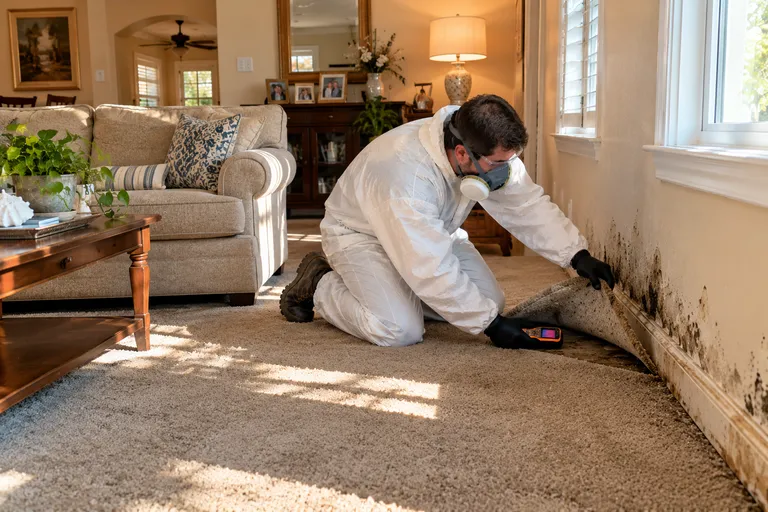
Carpet Mold
Carpet mold often grows in the padding and subfloor, even when the surface looks dry. Carpet wet beyond the EPA’s 24 to 48 hour drying window is a likely candidate for hidden growth. Removal usually means discarding the padding and often the carpet itself, since porous material is hard to clean.
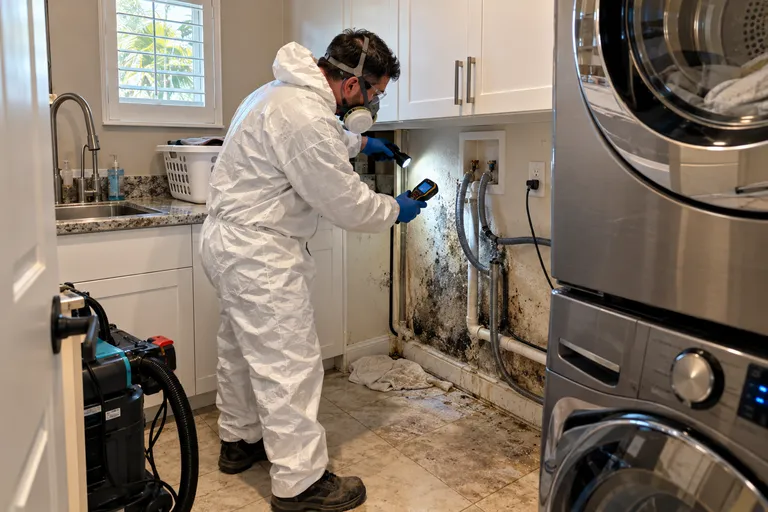
Black Mold Removal
Black mold is a common name often applied to Stachybotrys chartarum, though color alone cannot identify a species. Stachybotrys tends to grow on wet drywall paper and wood after prolonged moisture. Black mold removal in Fort Lauderdale follows the same containment and HEPA filtration as other mold. The provider’s crew usually removes and replaces heavily affected drywall or insulation, which can raise the cost.
HVAC and Air Duct Mold Removal
HVAC mold grows where condensation forms on cold coils, drain pans, and ductwork. Air conditioners run most of the year in Fort Lauderdale, so these surfaces can stay damp for long stretches. Mold inside the system can carry spores to other rooms, which may explain a musty smell throughout the home. The provider’s crew inspects the air handler and ductwork, and often replaces heavily affected duct material.
Residential, Commercial, and Condo or HOA Mold Remediation in Fort Lauderdale
Mold remediation needs in Fort Lauderdale differ for residential, commercial, and condo or HOA properties. Scheduling, documentation, and shared building systems change what each job requires. Every property type still calls for containment and clearance testing.
Residential Mold Remediation
Residential jobs in Fort Lauderdale range from a single bathroom or attic to a full home after storm damage. Scope depends on moisture meter readings and how much drywall, carpet, or insulation is affected. Homeowners should receive a plain explanation of the findings, the moisture source, and the removal scope.
Commercial Mold Remediation
Commercial jobs in Fort Lauderdale aim to limit business disruption while the affected area is contained. See how the mold remediation process works.
Condo, Multi-Family, and HOA Mold Remediation
Condo, multi-family, and HOA jobs in Fort Lauderdale must account for adjoining units and shared building systems. Moisture from a leak in one unit can travel through shared walls, ceilings, and plumbing chases. Where units share HVAC or drain lines, moisture can spread between them. Boards and property managers typically need a written scope of work they can file.
Call (855) 732-0108 to speak with an independent provider and arrange an inspection. The provider sets pricing after the inspection. Ask for an itemized scope of work so you can compare quotes. Prices may vary after inspection.
How long a job takes depends on the size of the area, the damage, and whether the water source is fixed — see how our mold remediation process works.
Does Insurance Cover Mold Removal in Fort Lauderdale?
Insurance coverage for mold removal in Fort Lauderdale depends on what caused the moisture. Homeowners policies usually respond to sudden, accidental damage, such as a burst pipe or storm-driven roof leak. See what homeowners insurance covers for mold.
Mold Remediation Standards & Guidelines
Professional mold remediation typically follows the IICRC S520 standard as a reference, covering containment, negative air pressure, and clearance testing. See how our mold remediation process works.
Neighborhoods We Serve in Fort Lauderdale
Mold remediation in Fort Lauderdale covers 14 neighborhoods, from canal-front Coral Ridge to riverside Sailboat Bend. We serve homes, businesses, and condo or HOA properties in each one. Local moisture risk varies with waterfront exposure, storm surge, and the age of roofing and HVAC systems. See the full list of service areas.
View All Fort Lauderdale Service AreasWhy Choose Mold Remediation Fort Lauderdale
This site exists to give Fort Lauderdale property owners a clear, specific answer about mold remediation. See why property owners choose us.
Mold in your home or business?
Call to be connected with an independent provider.
Frequently Asked Questions
Straight answers about the difference between removal and remediation, what to look for when hiring a company, what causes mold in Fort Lauderdale homes, and what to do first if you find mold.
Do I need mold removal or full mold remediation?
The EPA says property owners can often handle removal of small spots under about 10 square feet on hard surfaces. Larger growth, repeat mold, or growth inside walls or ductwork usually calls for professional remediation and an inspection. A stain that returns after cleaning usually means moisture is still active.
What should I look for when hiring a mold removal or remediation company?
Ask for a written scope of work that names containment, removal areas, and clearance testing. Confirm the provider's Florida license at myfloridalicense.com and ask for proof of insurance. Be cautious of pressure to sign quickly or promises to eliminate all mold, because spores exist naturally.
Why is mold remediation more complex than wiping mold away?
Mold spores can already be airborne or growing behind walls by the time you see a stain. Professional remediation contains the area, removes contaminated porous material, and verifies the result afterward. The most common miss on DIY mold removal is the damp wall cavity behind the visible mold, which feeds regrowth.
Is mold in my home dangerous?
Mold can cause allergic reactions, sinus congestion, or breathing irritation in some people. People with asthma or allergies may react more strongly. Color alone cannot identify mold type, so an inspection or lab sample is the reliable way to know. Talk to a healthcare professional about any symptoms.
What causes mold in Fort Lauderdale homes?
Mold needs moisture, and Fort Lauderdale supplies it through humid air, storm flooding, and leaks. Common sources include HVAC condensation lines, roof leaks, burst pipes, and appliance supply lines. Mold removal and remediation only last once the moisture source is fixed.
What should I do first if I find mold?
Stop the water source if you can, and avoid disturbing the mold, since brushing or sanding can spread spores. Photograph the area and note when you first saw it. Then call (855) 732-0108 to be connected with an independent provider for mold removal and remediation. Confirm availability and timing with the provider.