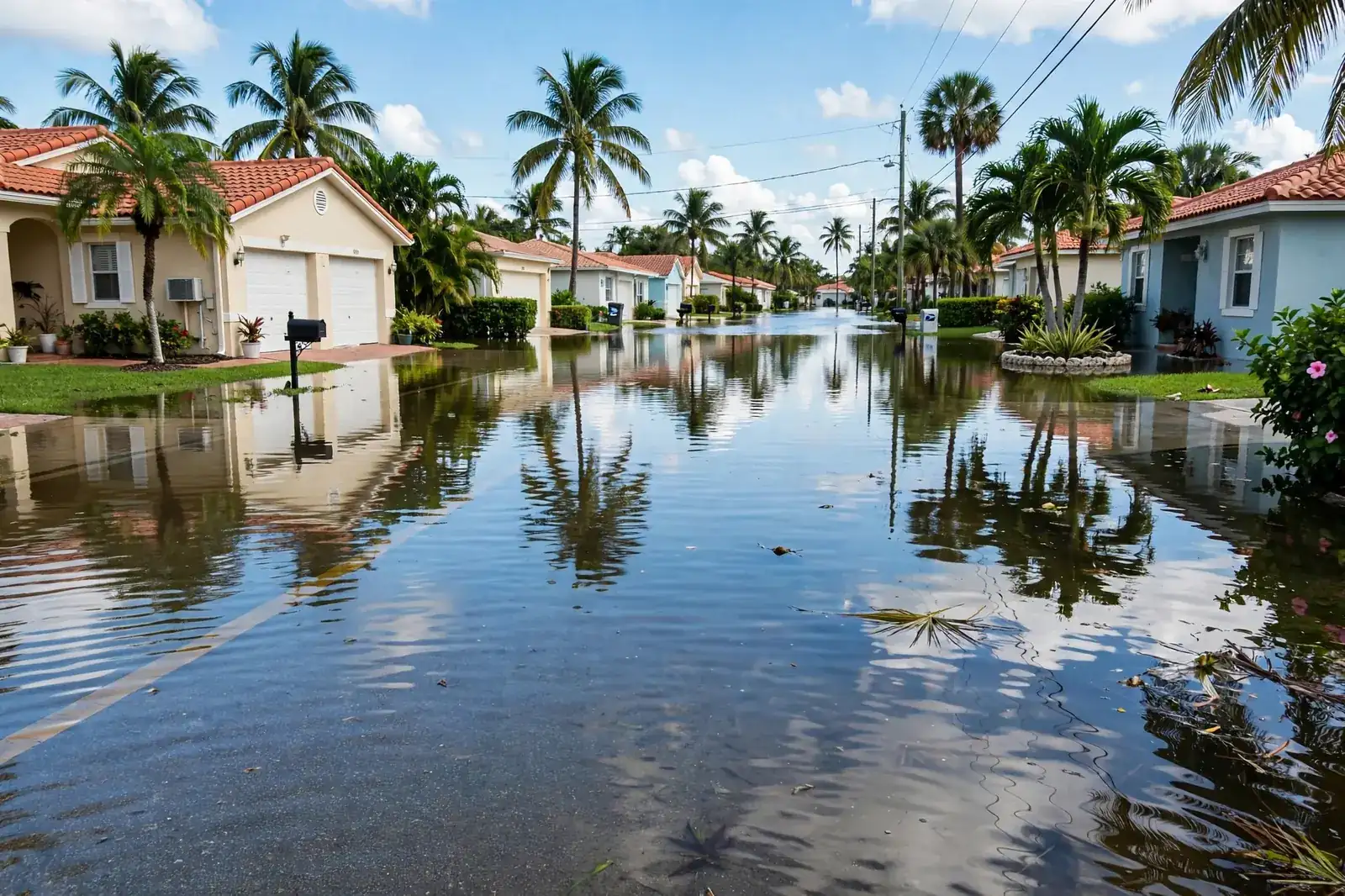
King tide flooding and mold in Fort Lauderdale share one cause. Saltwater soaks into a building and keeps materials damp after the street dries. King tides push saltwater up through storm drains and over seawalls into streets, driveways, and garages. The City of Fort Lauderdale lists NOAA-predicted king tides on at least 40 days in 2026. Quick action and a check of hidden areas protect the property. For the drying timeline, see how long mold takes to grow after water damage.
Mold in your home or business?
Talk to a remediation specialist now — fast response across Fort Lauderdale.
When Are King Tides in Fort Lauderdale?
King tides in Fort Lauderdale arrive mainly from September through December. The city’s 2026 forecast lists windows on October 7 to 13, October 24 to 31, November 5 to 11, November 22 to 28, and December 24 to 25. Peak water usually lasts about three hours. The city sees two high tides a day, roughly twelve hours apart.
Wind and rain can make a predicted tide worse. A strong easterly wind can push coastal flooding higher than the forecast alone suggests. Some tides in September 2025 ran more than a foot above predictions. Rain that falls at high tide can pond on streets with tidal valves until the tide drops and the valve opens.
Which Fort Lauderdale Neighborhoods Flood First During King Tides?
Low-lying waterfront areas flood first, including the Victoria Park neighborhood of Fort Lauderdale and the Las Olas Isles neighborhood of Fort Lauderdale. The city describes Victoria Park as prone to tidal flooding.
The city maintains 215 tidal valves that let rainwater drain but block tidal saltwater from backing up onto streets. Owners are asked to inspect and maintain their own seawalls. Valves reduce street flooding but do not stop water that tops a low seawall or enters through a driveway.
How Are King Tide Flooding and Mold Connected?
King tide flooding and mold connect through salt, which holds moisture inside building materials long after the water recedes. Salt attracts atmospheric moisture, and crystals remain inside drywall, concrete, wood, and insulation after the surface looks dry. Seawater is also classed as Category 3 contaminated water, so soaked porous material may need removal rather than drying.
The most common miss after a tidal flood is the wall that feels dry while salt in the lower drywall keeps drawing moisture from humid air. That hidden dampness gives mold a longer window to grow behind baseboards and under cabinets. For indoor humidity levels, see ideal indoor humidity.
Salt also damages equipment. It attacks metal fasteners, appliance parts, HVAC coils, and electrical connections. Floodwater that reaches ductwork can introduce mold, bacteria, and odors into the home if the system restarts without cleaning.
What Early Signs of Mold Should You Look for After a King Tide?
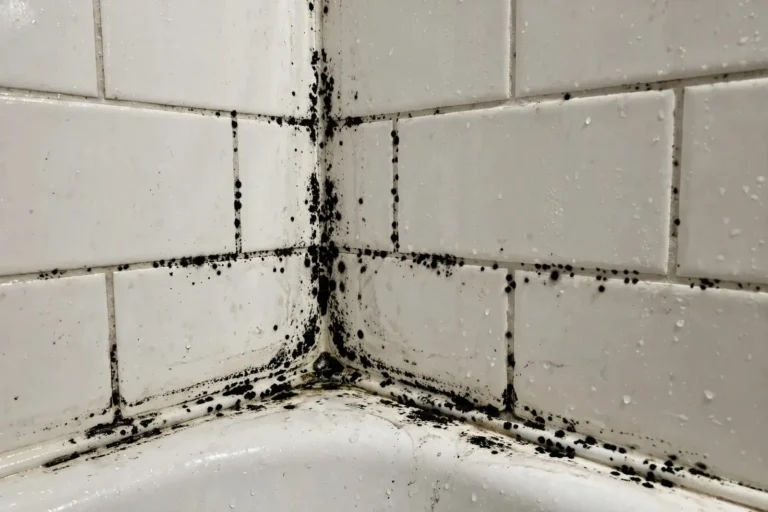
Early signs of mold after a tidal flood include a musty smell, darkened baseboards, and paint that bubbles near the floor. These cues usually appear first at the base of walls, in garages, and in closets where water entered. Growth behind baseboards and under cabinets can start before any spot is visible.
Check for these signs in the weeks after each tide event:
- A musty odor that grows stronger when the air conditioning runs
- Darkened, swollen, or warped baseboards and lower drywall
- Bubbling or peeling paint within a foot or two of the floor
- White, chalky residue on concrete or walls
- Dampness in garage storage boxes, closets, or cabinet bases
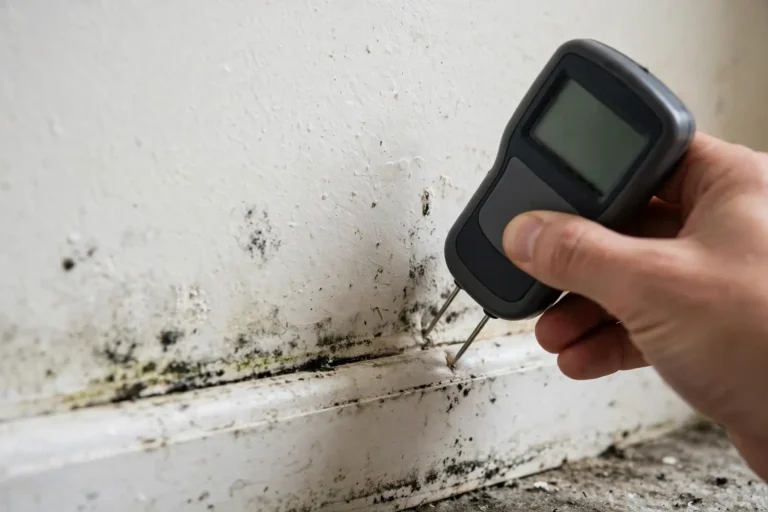
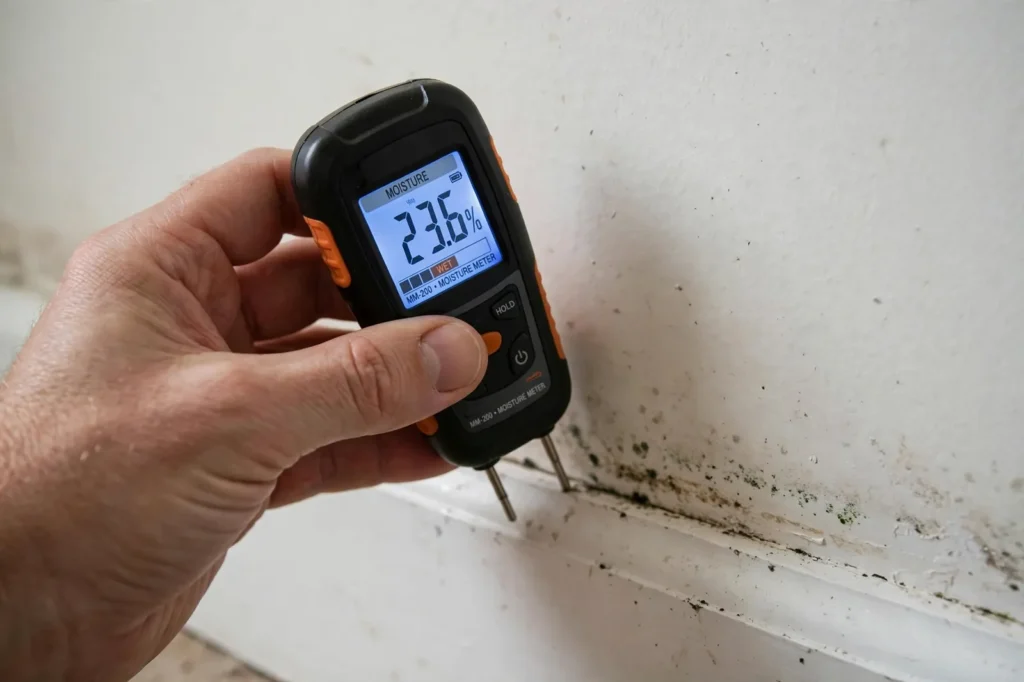
White powdery residue is a common sign of salt left by floodwater. Mold can look similar, so a moisture meter reading helps separate the two. For the drying timeline, see how long mold takes to grow after water damage. Painting or caulking over mold will not stop it from growing.
How Do You Time Drying Around King Tides?
The tide cycle changes the order of work, because another high tide can bring water back before cleanup finishes. Timing the work around the next high tide protects the progress you make. For the drying timeline, see how long mold takes to grow after water damage.
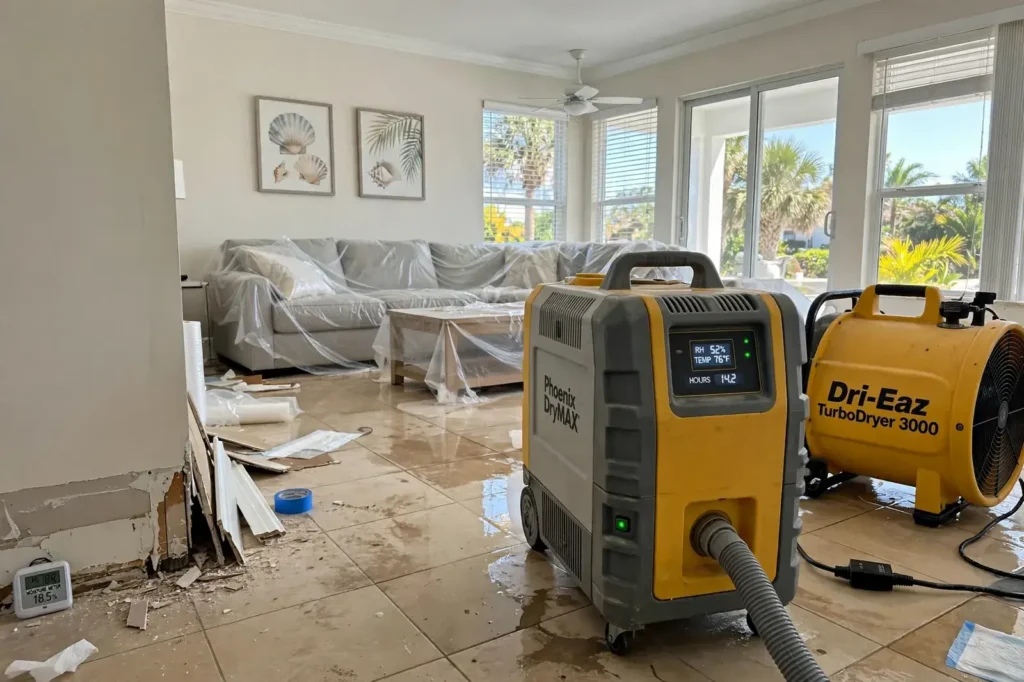
- Check the next high tide time, and wait for the water to recede before starting. Fort Lauderdale high tides arrive about twelve hours apart.
The growth timeline behind these steps is covered in our guide on how long mold takes to grow after water damage.
What Does Mold Cleanup Cost After a Tidal Flood?
Mold cleanup cost after a tidal flood depends mostly on how much porous material the saltwater soaked. Salt-loaded drywall, insulation, and subflooring often need removal instead of drying, which raises the price. Small contained spots cost far less than water entry across several rooms. Full pricing ranges for Fort Lauderdale are on our homepage. A written estimate after an on-site inspection gives the exact figure for your home, and prices may vary after inspection.
Mold in your home or business?
Talk to a remediation specialist now — fast response across Fort Lauderdale.
How Can You Prepare Before the Next King Tide?
Preparing before a king tide means blocking water at entry points, keeping drains clear, and moving stored items off the floor. The city offers sandbags at local parks on the third Saturday and Sunday of each month through November. Inspecting and maintaining your seawall is also part of the city’s advice. Keep cardboard boxes and fabric items off garage floors, because they absorb moisture fast. A hygrometer in ground-floor rooms shows humidity creeping up before you smell anything.
Which Guidelines Apply to Tidal Flood and Mold Cleanup?
For the cleanup steps and standards that apply, see our mold remediation process.
Get a Mold Inspection After Tidal Flooding
A mold inspection after tidal flooding records moisture readings, affected areas, and the likely path the water took. To get started, request a mold inspection after tidal flooding or call (855) 732-0108. Tell the person who answers where water entered and when it receded. Mold Remediation Ft Lauderdale serves Fort Lauderdale and Broward County.
Mold Remediation Ft Lauderdale
(855) 732-0108
Mold in your home or business?
Talk to a remediation specialist now — fast response across Fort Lauderdale.
Frequently Asked Questions
Does saltwater flooding cause mold?
Saltwater does not grow mold by itself, but the dampness it leaves behind can. Salt inside drywall, wood, and concrete holds moisture, which gives mold a longer window to grow. Lower walls and garages are the usual trouble spots in Fort Lauderdale homes.
Will the next king tide make an existing mold problem worse?
Yes, if the same areas get wet again before the first growth is removed. Each new tide adds moisture and fresh salt, which feeds growth already hiding behind baseboards and cabinets. Drying and removing affected material before the next tide window breaks that cycle. The fall windows often arrive only two weeks apart, so the gap matters.
Is it safe to stay home after tidal flooding reaches the ground floor?
CDC guidance says to wait before re-entering a flooded home until professionals confirm there are no structural, electrical, or other hazards. Seawater is Category 3 contaminated water, so wear gloves, goggles, and a mask during cleanup. A ground-floor garage and a living area carry different risks, so ask a professional to check both.
How can I tell salt residue from mold growth?
Salt residue looks white and chalky, and it wipes off drywall or concrete as a fine powder. Mold growth usually appears as dark or greenish spots, often with a musty smell nearby. A moisture meter separates the two, because salt-damp material keeps reading wet after drying. When both appear together after a tide, treat the area as a mold risk.
Can a dehumidifier fix salt dampness?
A dehumidifier removes moisture from the air and materials, but it does not remove salt. Passive drying leaves salt in place to keep the material damp, and salt-contaminated porous material may need removal. A moisture meter confirms whether lower walls are actually dry.
What does a legitimate mold cleanup after a flood include?
A legitimate job starts with containment and negative air pressure, then removes contaminated porous material. The full step-by-step mold remediation process is explained on our process page.