

Yes, Florida sellers must disclose mold they know about when selling a home. The duty comes from Johnson v. Davis, a 1985 Florida Supreme Court case. It covers defects the seller knows that materially affect value and are not readily observable. Known mold and the water damage behind it fit that test squarely.
Here is a scenario, not a real client story, but the pattern fills Florida courtrooms. A seller in the Rio Vista neighborhood of Fort Lauderdale paints over a stained bathroom ceiling before listing. The buyers move in, the stain returns, and a contractor finds long-term growth above it. The paint receipt and listing photos become the center of the lawsuit that follows.
Mold in your home or business?
Talk to a remediation specialist now — fast response across Fort Lauderdale.
What Does the Johnson v. Davis Rule Require?
The 1985 ruling set the disclosure duty for Florida home sales. Sellers must reveal known facts that materially affect the property’s value. The buyer must not be able to observe the problem on a normal viewing. A seller’s silence can count as fraud when all three elements line up.
The duty covers the home’s history, not just its present condition. A flood five years ago that grew mold counts as known history. So does a remediation job that fixed one room and skipped another. If you know it and it affects value, the safe course is disclosure.
What Mold History Should a Seller Disclose?
When in doubt, treat these as disclose items on the seller’s disclosure form:
- Past or present mold growth you know about, in any room.
- Water intrusion events: roof leaks, pipe bursts, flooding, and king tide entry.
- Remediation or cleanup work done, with dates and company names.
- Insurance claims filed for water or mold damage, paid or denied.
- Ongoing moisture problems you manage, like a chronically damp wall.
Florida’s standard disclosure form asks about water intrusion and environmental hazards directly. Answering those honestly covers most mold history in one pass. Guessing or softening answers creates the record buyers later sue over.

How Should Sellers Document a Mold Problem?
Paper protects sellers better than paint ever will. Keep the assessor’s report, the remediation invoice, and the clearance results together. Photographs before and after the work show the problem and its ending. Hand the file to your agent before listing, not after questions start.
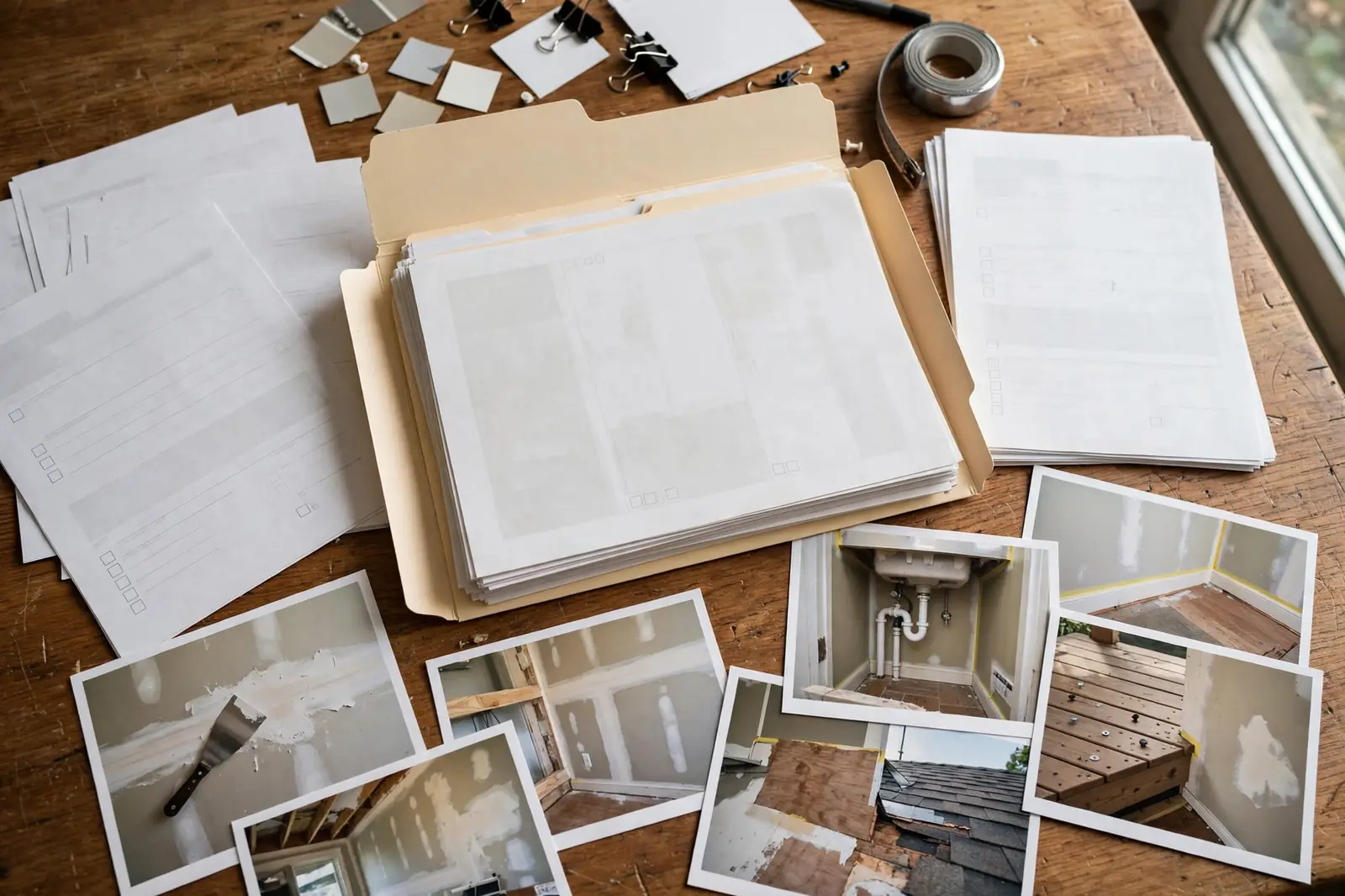
A completed remediation with clearance paperwork can reassure buyers instead of scaring them. It shows the problem was found, fixed, and verified by testing. Sellers who disclose with documents often keep their price intact. Sellers who hide problems defend lawsuits at multiples of the savings.
What Happens If a Seller Hides Mold?
Buyers who find hidden mold after closing can sue for fraud. Florida courts have allowed rescission, meaning the sale itself unwinds in serious cases. More often, the claim seeks repair costs, remediation costs, and legal fees. The seller’s own words on the disclosure form become exhibit one.
This page is general information, not legal advice for your sale. A Florida real estate attorney reviews disclosure answers. Bring the attorney your reports and claim history, not just the form.
Mold in your home or business?
Talk to a remediation specialist now — fast response across Fort Lauderdale.
Selling Soon? Get the Mold Question Answered First
A known mold problem handled on paper protects your sale and your price. To get started, request a mold inspection or call (855) 732-0108. An assessor’s report gives you documents to disclose with confidence. Mold Remediation Ft Lauderdale serves Fort Lauderdale and Broward County.
Mold Remediation Ft Lauderdale
(855) 732-0108
Frequently Asked Questions
Do I have to disclose a mold problem that was fixed years ago?
Yes, if you know about it and it could affect value. Past water damage and remediation are part of the home’s known history. Disclose the problem together with the repair and clearance documents. A fixed, documented problem frightens buyers far less than a discovered one.
What if I never tested, so I do not know if it is mold?
The duty covers what you know, not what you suspect. Stains, smells, and past leaks you noticed still count as knowledge. Claiming ignorance after seeing clear signs rarely holds up in court. When signs exist, testing before listing settles the question honestly.
Does Florida have a mold disclosure form?
Florida uses a standard seller’s property disclosure statement, not a mold-only form. It asks about water intrusion, leaks, and environmental hazards. Mold history belongs in those answers and in any additional notes. Your agent or attorney can confirm which form your sale uses.
Can a buyer sue after closing over mold?
Yes, when the seller knew and stayed silent. Claims usually seek the cost of remediation and repairs. Serious cases have unwound sales through rescission. The disclosure form you signed becomes the central evidence either way.
Should I remediate before listing, or disclose and discount?
Both paths work when the paperwork is honest. Remediating first gives buyers a clean, documented home to bid on. Disclosing with a discount suits sellers who cannot fund the work. Either way, get a written scope so numbers rest on paper.
What should I do if the buyer finds mold during inspection?
That finding enters the negotiation, and your disclosure record matters. If you disclosed honestly, the finding confirms your paperwork. If you did not, expect the price talks to turn hard. Answer repair requests with documents, not arguments.



One Comment