Mold in a house you want to buy is a negotiation fact, not an automatic dealbreaker. Small, dry, well-understood growth usually prices into the deal without drama. Hidden moisture damage and vague seller answers are the real risks at closing. Knowing the difference protects your deposit and your health budget.
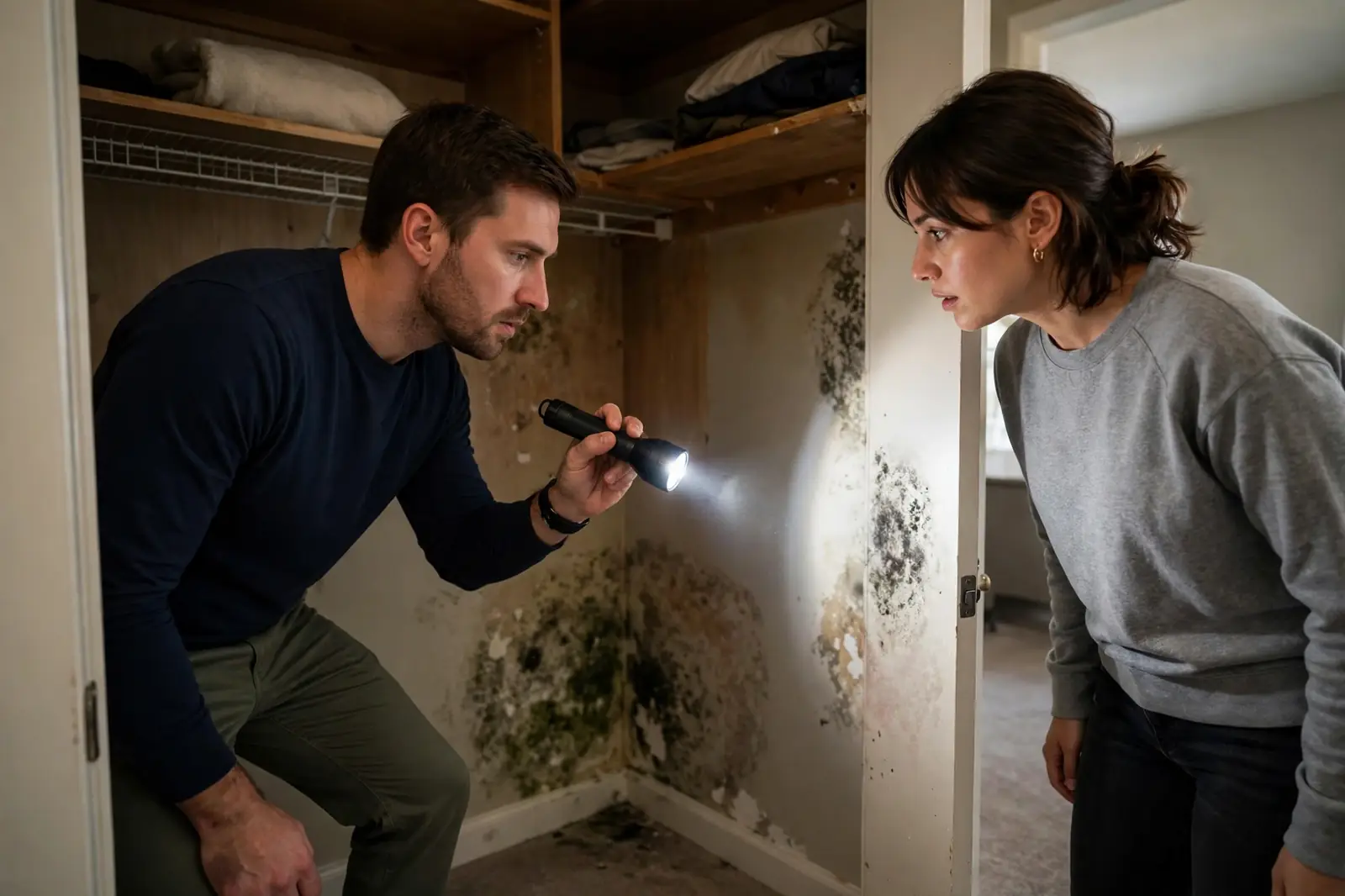
Here is a scenario, not a real client story, but inspectors meet versions of it weekly. A buyer in the Croissant Park neighborhood of Fort Lauderdale falls for a renovated bungalow. Her inspector flags mold along the hall closet wall during the inspection period. A licensed assessor traces it to a slow AC leak and scopes the fix in writing.
Mold in your home or business?
Talk to a remediation specialist now — fast response across Fort Lauderdale.
When Is Mold in a House a Dealbreaker?
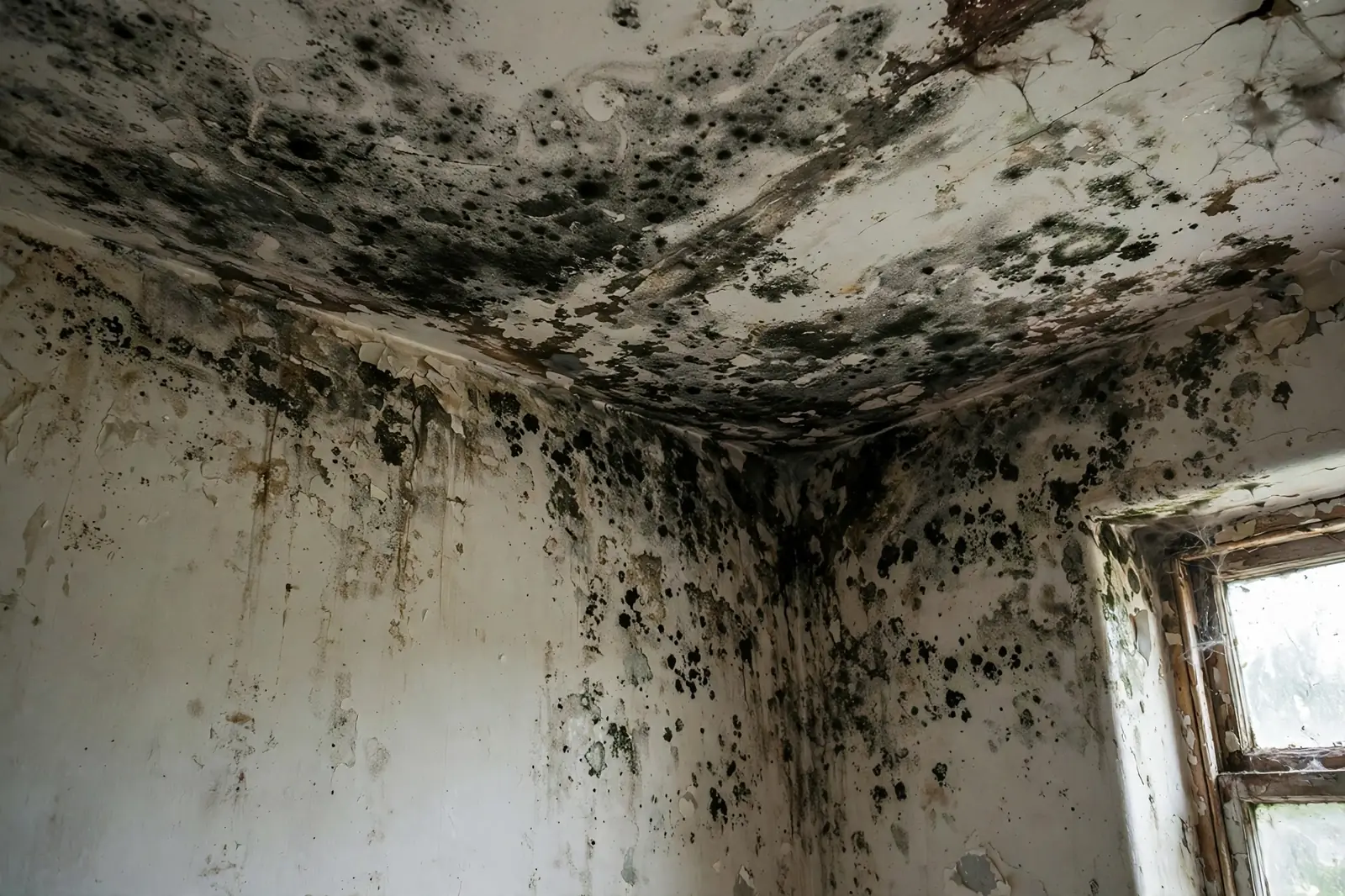
Walk away when the water source stays unknown after real investigation. Unmapped moisture means the repair bill has no reliable ceiling. Walk away when growth spreads across several rooms and systems at once. That pattern signals long neglect, not one bad month.
Structural damage raises the stakes beyond cleaning questions. Rotted framing, soft subfloors, and a failing roof deck change the math entirely. Sellers who refuse access or testing are another clear warning. A clean deal never needs your inspector kept out.
When Is Mold Fixable in a Purchase?
Mold stays manageable when the source is found and fixable. A leaking drain line, a failed water heater, or tired bathroom caulk all qualify. Growth limited to one area with dry surroundings also qualifies. These cases turn into scoped repairs with written estimates.
Even vacant-home mold often settles once the house runs its AC again. The point is evidence, not the size of the first stain.
What Should You Do During the Inspection Period?
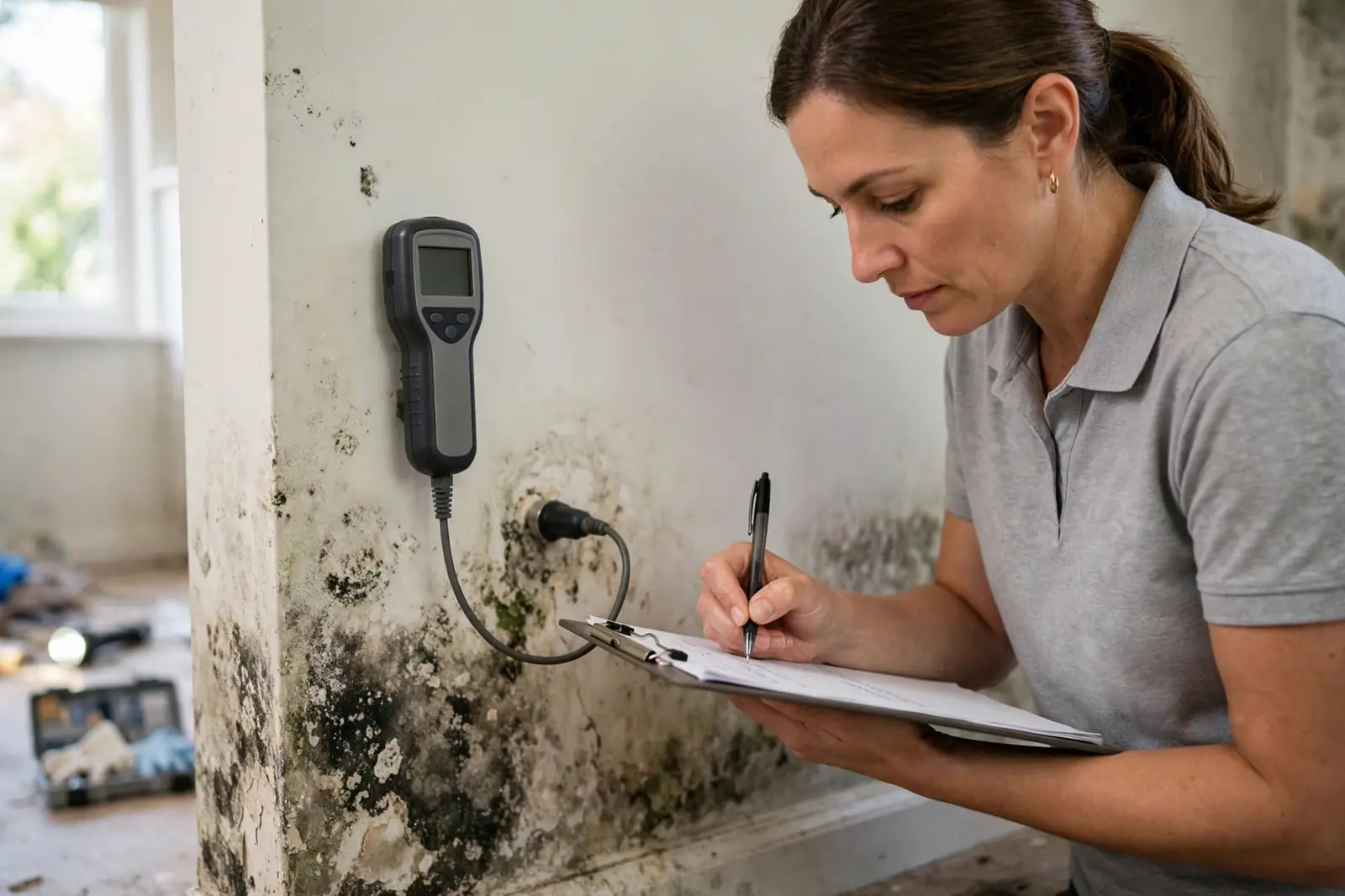
Use the inspection period to hire your own licensed mold assessor. Home inspectors flag visible mold, but assessment is a separate licensed job. What that assessment includes and costs sits on our mold inspection cost page. Its written report becomes your negotiating document.
Ask the seller direct questions and keep the answers in writing. Florida sellers must disclose known mold problems under the Johnson v. Davis duty. What sellers must reveal is spelled out on our mold disclosure page. Undisclosed history often surfaces in permits, claims, and neighbor talk.
How Do Credits and Repairs Work With Mold?
Three routes handle mold in most deals. The seller remediates before closing with a licensed company and provides clearance paperwork. The seller credits you at closing against a written remediation scope. Or the price drops and you handle everything after the keys.
Credits backed by a real written scope survive lender and insurer questions. Vague verbal discounts collapse the moment underwriting asks for details. Get the scope, the timeline, and the clearance step in the contract. Paper is what turns a mold problem into a priced problem.
Mold in your home or business?
Talk to a remediation specialist now — fast response across Fort Lauderdale.
Buy the House, Not the Hidden Water Problem
Mold you understand is a line item. Mold nobody mapped is a gamble. To get started, request a mold inspection or call (855) 732-0108. Bring the assessor report if you have one, since it speeds the first conversation. Mold Remediation Ft Lauderdale serves Fort Lauderdale and Broward County.
Mold Remediation Ft Lauderdale
(855) 732-0108
Frequently Asked Questions
Should I buy a house with mold in Florida?
Often yes, when the source is found and the scope is written. Small, mapped problems price into the deal like any repair. Refuse only when moisture stays unexplained or access gets blocked. The written assessment decides, not the first look.
Can I ask the seller to fix mold before closing?
Yes, and the request belongs in the contract, not in conversation. Name the licensed remediation, the scope, and a clearance step afterward. Sellers often prefer a credit when timelines run tight. Either route works when the paper is specific.
Will a lender or insurer care about mold in the house?
Both can, since active moisture damage raises their risk on the property. A documented scope and clearance usually answer their questions. Unfixed leaks stall approvals more than old, repaired growth does. Solve the paper trail early in the process.
Who pays for the mold assessment during a purchase?
The buyer usually hires and pays the assessor during the inspection period. That independence is the point of the report. Our inspection cost page breaks down what that visit runs. Sellers sometimes reimburse through credits at closing.
What if mold shows up after I close?
Undisclosed known mold can support a claim under Florida disclosure law. Document conditions early with photos, dates, and professional reports. Talk to a Florida real estate attorney about your specific facts. Prevention still beats claims, so inspect hard before closing.
How much mold is too much when buying?
Area alone misleads, since one wet wall cavity hides serious damage. Spread across rooms and systems matters more than square footage. An assessor maps moisture, not just visible growth spots. Buy the mapped problem, walk from the unmapped one.