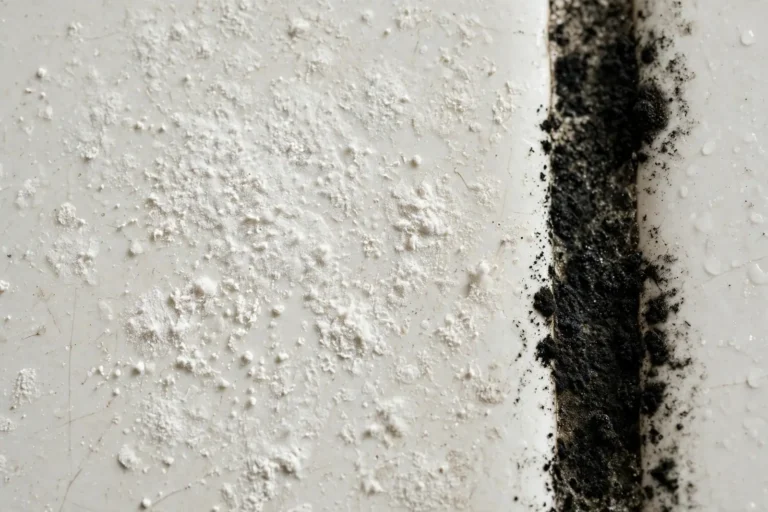
Mold in a Fort Lauderdale rental usually becomes the landlord’s problem when a maintenance failure caused it. Examples include a roof leak, broken plumbing, or a failed air conditioning drain line. Florida has no statute written specifically for mold in residential rentals. Landlords still must follow health and housing codes and keep rentals in good repair. Mold that a tenant causes through poor ventilation or unreported leaks can shift responsibility back to the tenant. Either side benefits from a professional mold inspection that records moisture readings and the likely cause.
This guide gives general information, not legal advice. Lease terms and the facts of each case change the outcome, so consider speaking with a Florida attorney or a legal aid organization.
Mold in your home or business?
Talk to a remediation specialist now — fast response across Fort Lauderdale.
Who Is Responsible for Mold in a Fort Lauderdale Rental?
Responsibility for mold in a rental depends on what caused the moisture. Florida law requires landlords to comply with applicable building, housing, and health codes. Where no codes apply, landlords must keep roofs, exterior walls, and plumbing in good repair. Mold from a leaking roof or failed plumbing usually points toward the landlord.
Tenants carry duties too. Florida law expects tenants to keep their unit clean and sanitary. Mold from blocked vents, unreported leaks, or poor housekeeping can point toward the tenant.
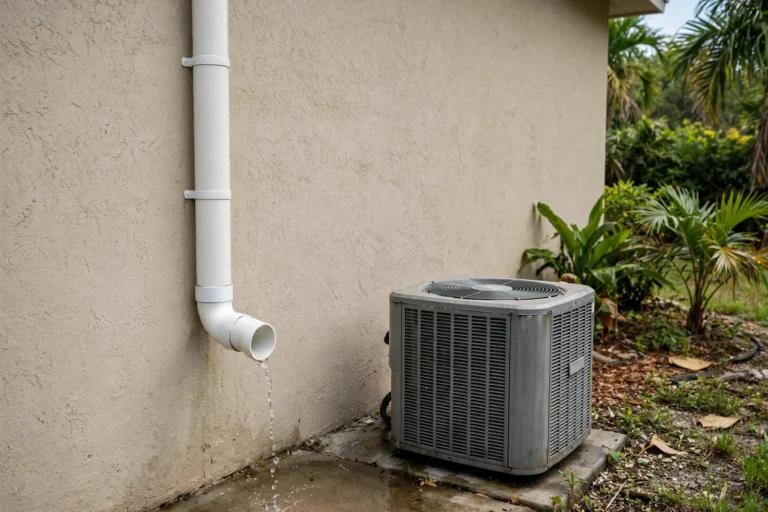
Air conditioning condensate lines can become a flashpoint. The equipment belongs to the landlord, but the first stain often shows up in the tenant’s ceiling. A clogged drain line that overflows into a ceiling is a maintenance issue, not a housekeeping issue.
Does Florida Have a Mold Law for Renters?
Florida has no mold-specific statute for residential tenants, so mold disputes rest on the landlord’s general duty to maintain the rental. Section 83.51 of the Florida Statutes sets the landlord’s maintenance duties. Section 83.56 sets the written notice process a tenant follows when a landlord fails to act. The usual question is whether the mold reflects a material maintenance failure.
Local code enforcement offices may also inspect rentals for housing code violations. A code inspection report can support a tenant’s written complaint. Rentals in older areas, such as the Sailboat Bend neighborhood of Fort Lauderdale, can have aging roofs and plumbing that raise these issues.
What Should a Tenant Do First When Mold Appears?
A tenant should document the mold and report it to the landlord in writing before taking any other step. A written record shows when the landlord learned of the problem. That date matters if the dispute escalates. Verbal complaints are easy to deny later.
- Photograph and date the mold, the damaged areas, and any visible moisture source.
- Send the landlord a written report describing the location and when you found it, and keep a copy.
- Move belongings away from affected walls, and keep receipts for damaged property.
- Keep the air conditioning running and avoid blocking vents while you wait for a response.
- Keep paying rent unless an attorney advises otherwise, because nonpayment can lead to an eviction filing.
- If the landlord does not respond, send the formal written notice described below.
Small spots on hard surfaces may be manageable with household cleaning. For the small-area rule, see the FAQ on our process page.
How Does the Florida 7-Day Notice Work for Mold in a Rental?
A Florida tenant who wants to terminate a lease or withhold rent over a landlord’s material failure to maintain the rental must first deliver a written notice. The notice describes the problem and states the tenant’s intention to terminate or withhold rent if it is not corrected within seven days. Skipping that notice can expose a tenant to an eviction for nonpayment. The order of steps matters.
A tenant who raises withholding as a defense in an eviction case generally must follow court rules about depositing rent. That is why legal advice before withholding rent is worth the time. Florida law also restricts retaliation against tenants who make good-faith habitability complaints. A landlord who responds to a mold complaint with a rent increase or an eviction threat creates a separate legal issue.
Tenants in the Flagler Village neighborhood of Fort Lauderdale often rent units in mid-rise and high-rise buildings. A plumbing leak in one unit can send moisture into another. In those buildings, the notice should name the affected rooms and the apparent source.
When Is Mold the Tenant’s Responsibility?
Mold becomes the tenant’s responsibility when tenant conduct caused or worsened the moisture. Examples include keeping the air conditioning off for weeks in summer, blocking vents, or ignoring a leak the tenant noticed and never reported. Indoor humidity can climb quickly in a closed Fort Lauderdale unit, and mold can form on walls, closets, and soft goods.
A landlord who blames the tenant should be able to point to a cause. A moisture inspection that finds no leak and shows high indoor humidity supports a tenant-conduct explanation. An inspection that finds a roof leak or plumbing failure points the other way. The cause, not the mold itself, decides who pays.
What Should Landlords Do When a Tenant Reports Mold?
A landlord who receives a mold report should respond in writing, find the water source, and fix it before cleanup begins. Florida sets no fixed mold repair deadline, but the tenant’s seven-day written notice creates a practical clock. For drying timelines, see our after water damage guide. A slow response lets growth spread into wall cavities and raises the final cost.
Cleanup must fix the moisture source first, or mold returns. See our process page for the full cleanup steps.
How Should Both Sides Document Mold in a Rental?
Both sides should keep dated records of the mold, its cause, and every repair step. Documentation protects tenants who report problems and landlords who respond to them. It also gives an attorney, a code officer, or a judge a clear timeline if the dispute grows.
A neutral third-party record carries more weight than photos alone. A mold inspection with moisture readings records affected areas, the likely source, and the scope of work needed. Keep these items together in one folder:
- Dated photos and videos of the mold and the moisture source
- Written reports, notices, and every landlord response
- Inspection reports and moisture readings
- Repair invoices, receipts, and clearance test results
- A copy of the lease and any addendums
Which Standards and Agencies Matter in a Rental Mold Dispute?
Industry standards and Florida regulation shape rental mold work. See our process page for the standards and steps that apply.
Get a Mold Inspection for Your Rental
A mold inspection records moisture readings, affected areas, and the likely moisture source. That record gives tenants, landlords, and property managers a shared factual starting point. Request a mold inspection or call (855) 732-0108. Describe where the mold appeared and when you found it. Mold Remediation Ft Lauderdale serves Fort Lauderdale and Broward County.
Mold Remediation Ft Lauderdale
(855) 732-0108
Mold in your home or business?
Talk to a remediation specialist now — fast response across Fort Lauderdale.
Frequently Asked Questions
Can my landlord evict me for reporting mold?
Florida law restricts retaliation against tenants who make good-faith habitability complaints. A landlord can still pursue eviction for other lawful reasons, such as unpaid rent. Keep written records of your complaint and every response, and consult an attorney if you receive an eviction notice.
Can I withhold rent for mold in Florida?
Only after you deliver the required written notice and the landlord fails to correct a material maintenance problem within seven days. Withholding without that notice can lead to an eviction filing. Speak with an attorney or legal aid organization before you stop paying rent.
How long does a landlord have to fix mold in Florida?
Florida sets no fixed mold repair deadline. The tenant’s written seven-day notice creates the practical clock for a material maintenance failure. For drying timelines, see our after water damage guide. Delay lets mold spread.
Who pays for mold cleanup in a rental?
The cause usually decides who pays. Mold from a roof leak or plumbing failure usually falls on the landlord, and mold from tenant conduct can fall on the tenant.
Can I break my lease because of mold?
Possibly, if the landlord materially fails to maintain the rental after you deliver the required written notice and the seven days pass. The notice, the severity of the problem, and your lease terms all matter. Get legal advice before you move out, because leaving without following the process can create rent liability.