
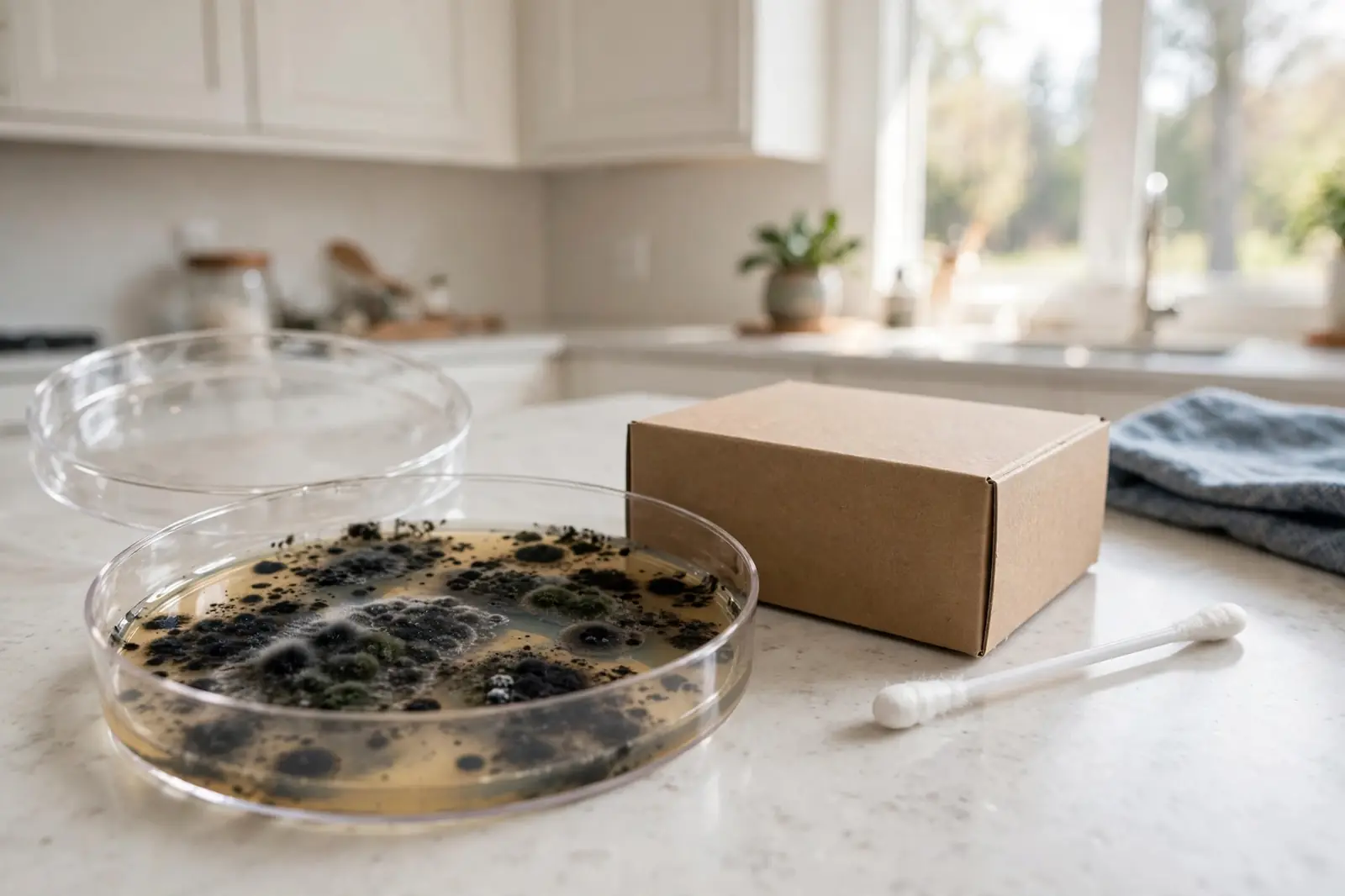
Mold test kits work in a narrow sense, because they almost always find mold. Spores float in every home’s air, so an open petri dish grows colonies in any house. A positive result tells you mold exists, which was never the real question. The kit cannot tell you where the growth hides, how much there is, or what to fix.
Here is a scenario, not a real client story, but it plays out across South Florida every summer. A renter in Fort Lauderdale’s Flagler Village buys a kit after noticing a musty smell near the AC closet. The dish grows dark colonies, and she sends it to the lab for species names. The report lists common outdoor molds and gives her no location, no moisture reading, and no next step. The smell still points at the closet, and the kit never looked there.
Mold in your home or business?
Talk to a remediation specialist now — fast response across Fort Lauderdale.
What Can a Home Mold Test Kit Actually Tell You?
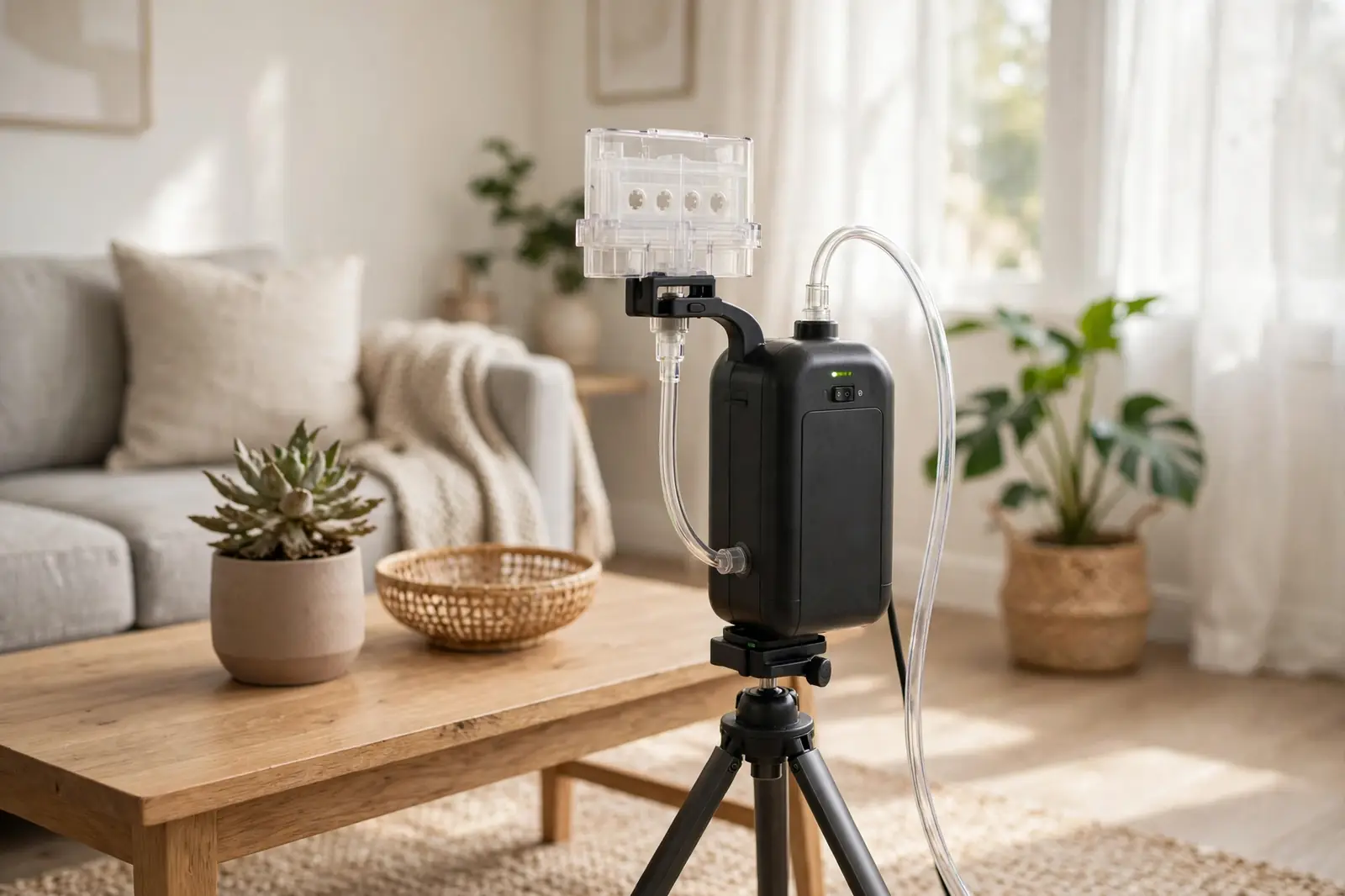
A settle plate kit grows whatever lands on it during the exposure window. Most kits count colonies or send a swab for species identification. Neither method measures the air the way a calibrated pump and cassette do. Room size, open windows, and recent cleaning all swing the result.
Species names sound precise, but they rarely change the decision. Common indoor molds overlap heavily with outdoor background levels in Florida. Without an outdoor comparison sample, a species list has no baseline. The report cannot say whether levels inside beat the air outside your door.
What Do Mold Test Kits Miss?
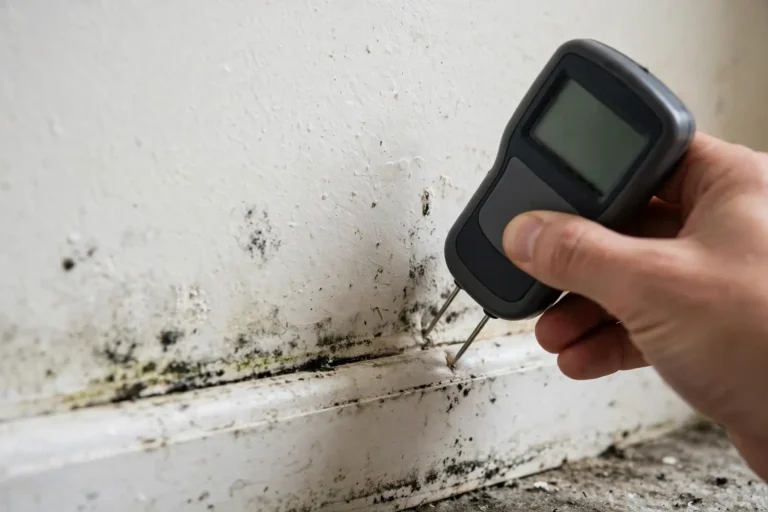
Kits miss hidden growth, because spores behind a wall may never reach the dish. A slow leak inside a wall cavity can feed a large colony for months. The room air can test unremarkable while the cavity stays soaked. Moisture, not spore counting, is what locates that problem.
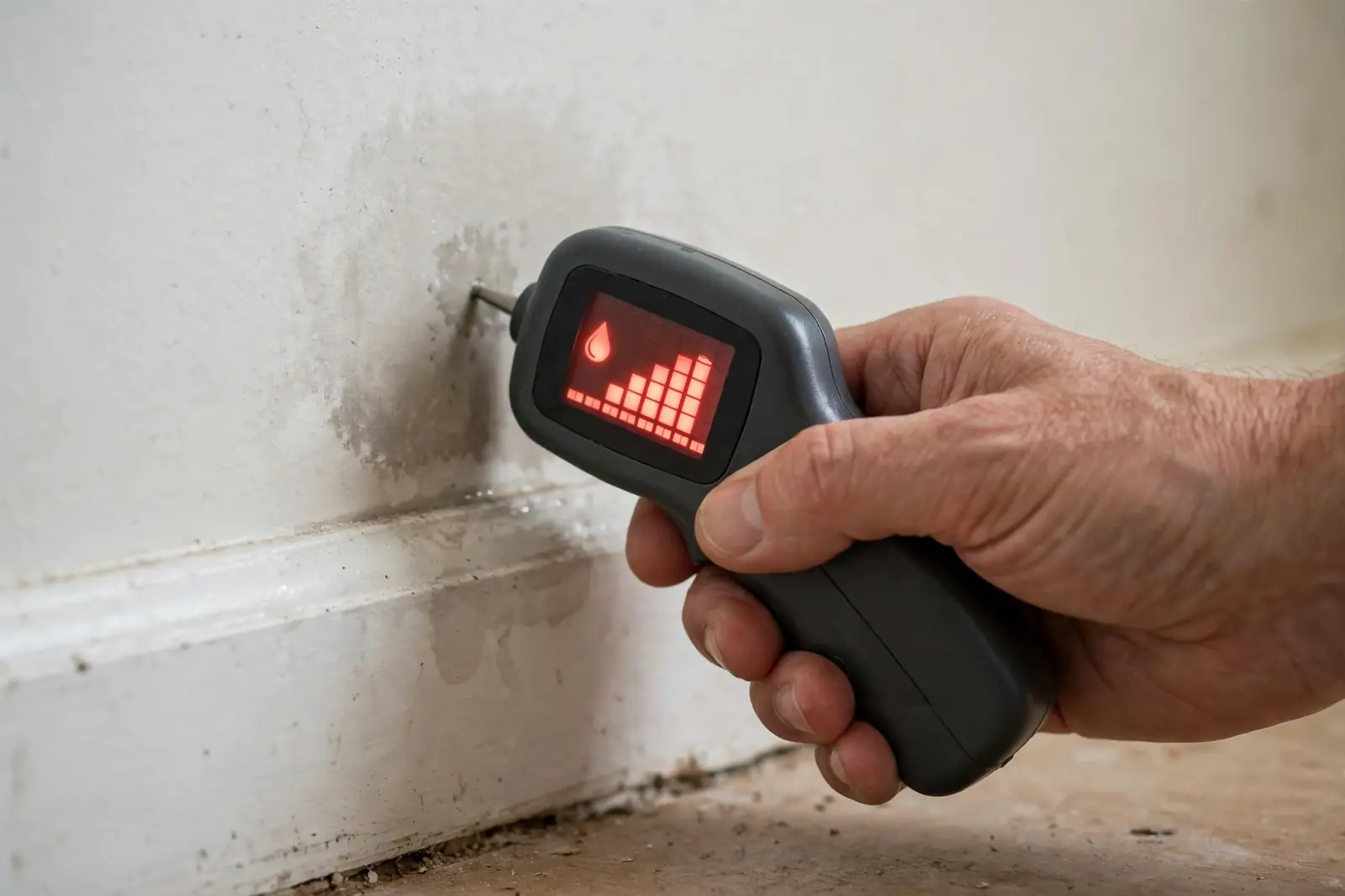
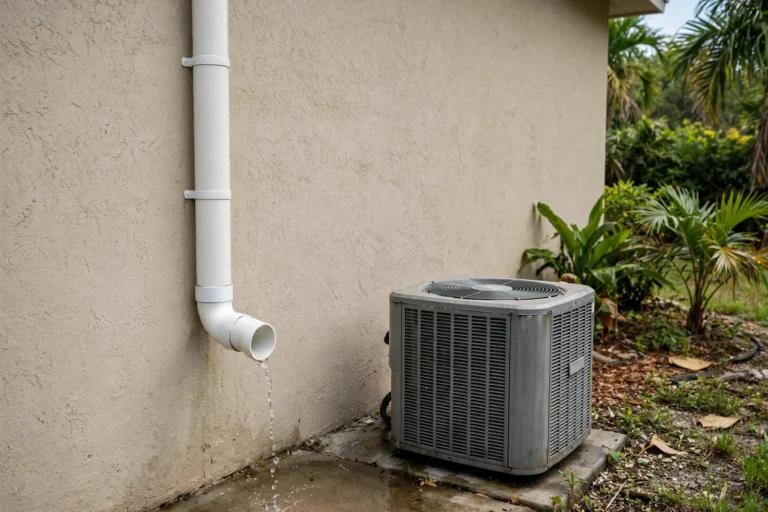
Kits also miss the cause, and the cause is the repair. No kit reports a clogged AC drain line, a failed shower pan, or a roof leak. Each of those sources keeps feeding growth after any cleanup. Testing that skips moisture mapping answers the least useful question.
When Does a Test Kit Make Sense?
A kit can satisfy curiosity after a small, visible spot is already cleaned. It can also give a renter a dated record that something grew in the unit. Used that way, the kit is documentation, not diagnosis. Pair it with room humidity readings, since damp air explains most positive results.
Skip the kit when the stakes involve money or health decisions. A home purchase, an insurance claim, or a dispute needs defensible numbers. Those come from an independent assessor with calibrated gear and a written report.
What Does Professional Mold Testing Include?
Professional testing starts with a moisture survey and controlled samples against an outdoor baseline, and ends with a written report naming the source and cleanup scope. The full process and Florida rules are on our process page.
Should You Buy a Mold Test Kit?
Buy one only as a curiosity check or a dated record. Do not use it to decide on a purchase, a claim, or a cleanup. The twenty dollars buys colonies on a dish, nothing more — prices may vary after inspection. The same money covers a hygrometer that reports your real problem daily.
Mold in your home or business?
Talk to a remediation specialist now — fast response across Fort Lauderdale.
Get Answers a Kit Cannot Give
A kit can grow mold on a dish, but it cannot find the water feeding it. To get started, request a mold inspection or call (855) 732-0108. Describe where the smell or staining sits and how long it has been there. Mold Remediation Ft Lauderdale serves Fort Lauderdale and Broward County.
Mold Remediation Ft Lauderdale
(855) 732-0108
Frequently Asked Questions
Do home mold test kits actually work?
They work at growing mold, which almost any dish of growth medium will do. Spores exist in every home, so a positive plate is expected, not alarming. What the kit cannot do is locate hidden growth or measure exposure. Treat the result as a prompt to look for moisture.
Can a test kit tell me if the mold is black mold?
Not reliably, because many species look dark on a plate or a wall. Color alone never identifies a species, even for professionals. A lab can name species from a sample, but the name rarely changes the fix. Removing the growth and its moisture source stays the job either way.
Are mold test kits accurate?
Accuracy depends on placement, timing, and what floated by that hour. The same room can give different results on different days. Without an outdoor control sample, the numbers have no comparison point. Professionals test against that baseline for exactly this reason.
Should I test for mold before buying a home?
A kit is too weak for a purchase decision of that size. An independent assessor provides moisture readings, controlled samples, and a written report. Sellers and lenders can question a home kit result. They rarely dispute an independent report with lab documentation.
My test kit came back positive. What now?
Do not panic, and do not start ripping out walls. Look for the moisture source first: leaks, condensation, and damp rooms, and photograph any visible growth. If growth covers more than a small patch, book a professional inspection. Humidity targets are on our ideal indoor humidity page.
Is professional mold testing worth the cost?
It is worth it when a decision rides on the result. Claims, purchases, and disputes all need documented, defensible findings. A professional report also includes the moisture source and a cleanup scope. A kit provides neither, at any price.
One Comment