Mildew and mold are both fungi, but they behave very differently inside a home. Mildew stays flat on the surface and wipes away with basic cleaning. Mold digs into porous material and keeps spreading from hidden roots. Telling them apart decides whether you scrub or call for help.
Here is a scenario, not a real client story, but homeowners misread this weekly. A renter in the Sailboat Bend neighborhood of Fort Lauderdale finds white fuzz on a bathroom windowsill. She wipes it off and it vanishes for nearly a month each time. The spot behaves like mildew, while the dark patch under the sink behaves differently.
Mold in your home or business?
Talk to a remediation specialist now — fast response across Fort Lauderdale.
What Is the Difference Between Mold and Mildew?
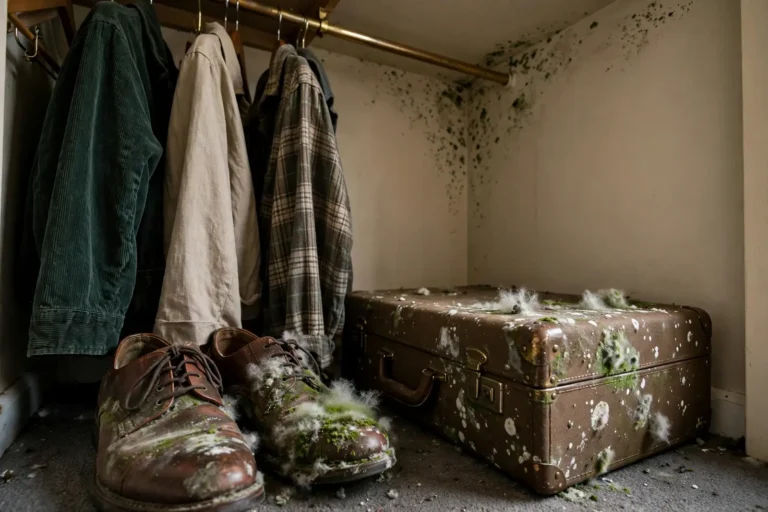
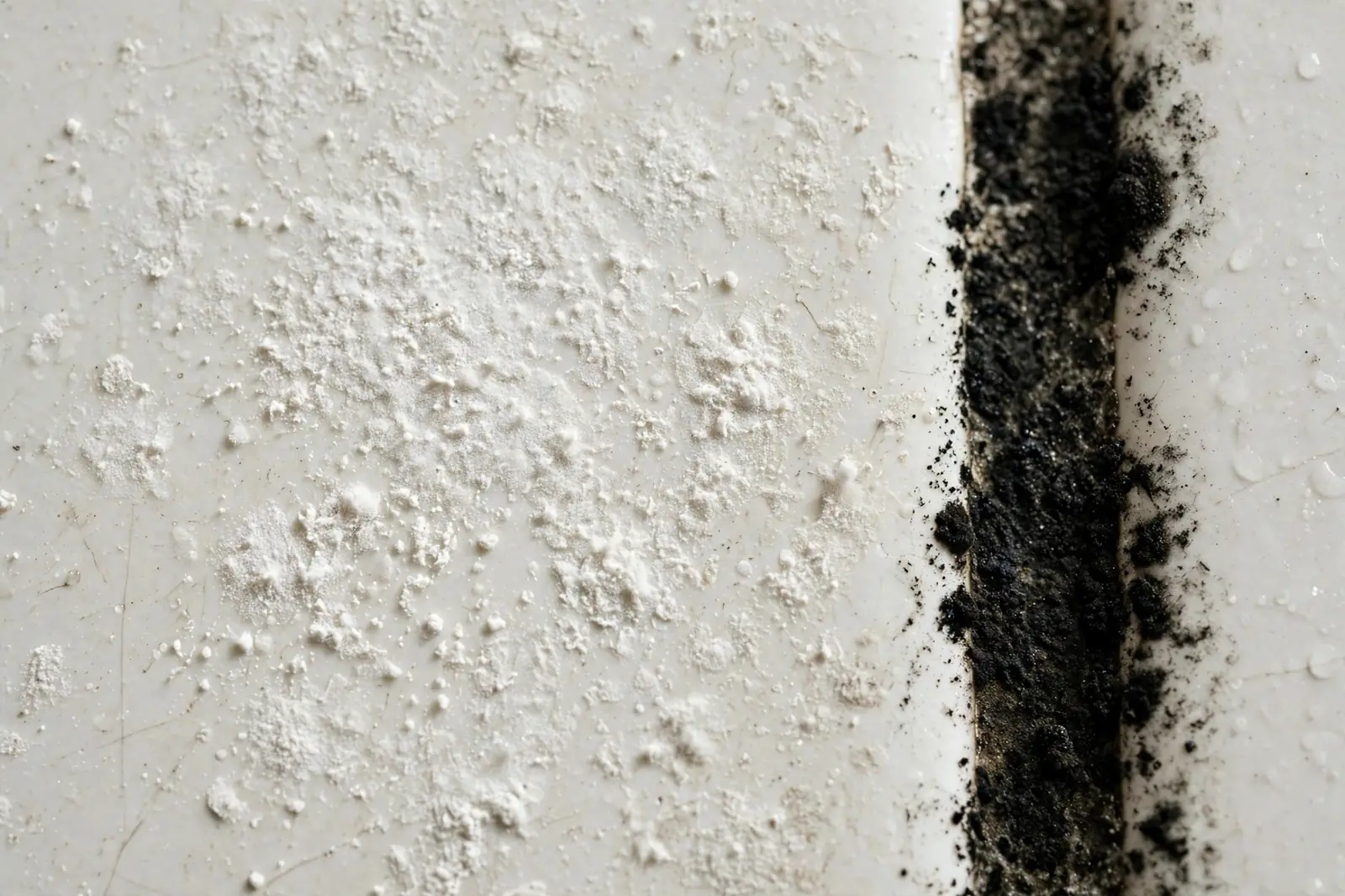
Color and texture give the first clues fast. Mildew starts white or light gray and looks powdery or slightly fuzzy. It stays flat against tile, paint, and other hard surfaces. Mold runs darker: black, green, brown, or orange patches.
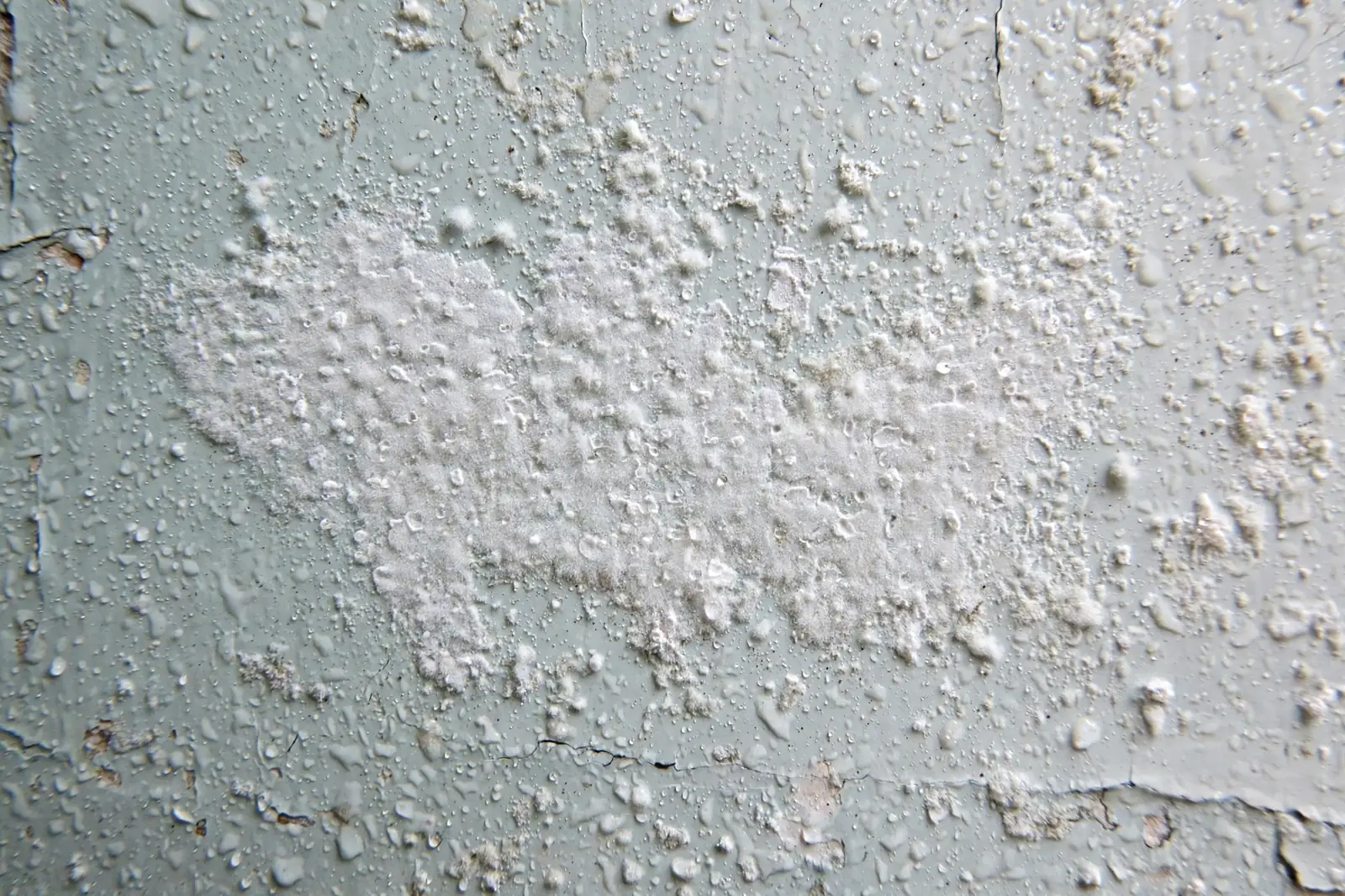
Mold colonies often look slimy, fuzzy, or raised from the surface. They spread outward in irregular shapes as the roots advance. Mildew spreads in flatter, more even films across damp areas. A patch that keeps thickening is voting mold every time.
Where Does Each One Grow in a Florida Home?
Mildew favors damp surfaces that stay in open air. Bathroom tile, shower curtains, windowsills, and painted walls near steam qualify. It appears after days of humidity rather than weeks of leaks. Florida summers keep its favorite conditions running daily.
Mold favors materials it can eat and hide inside. Drywall, wood, carpet backing, and grout feed it for months. It follows leaks and condensation into walls, closets, and cabinets. The bathroom recurrence pattern is detailed on our bathroom mold page.
How Do Smell and Cleaner Response Differ?
Mildew smells mild and slightly sour, like a damp towel. Mold smells earthy, heavy, and persistent through the whole room. The odor from mold survives airing out the space. Smell strength alone never settles the question, though.
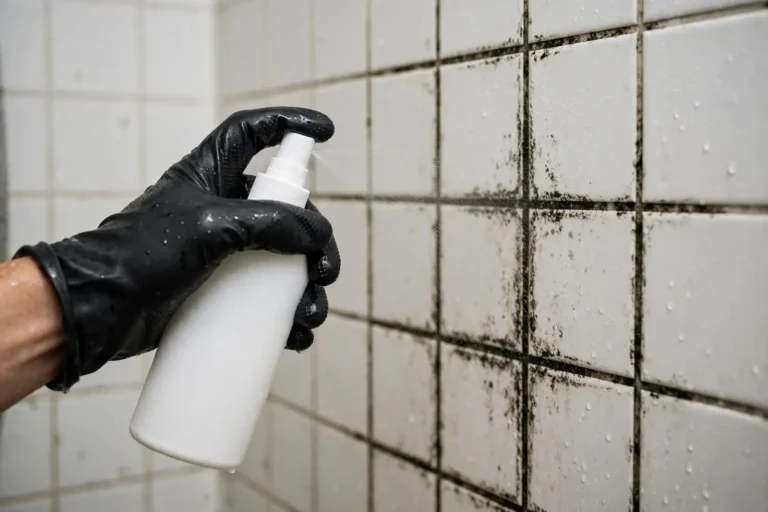
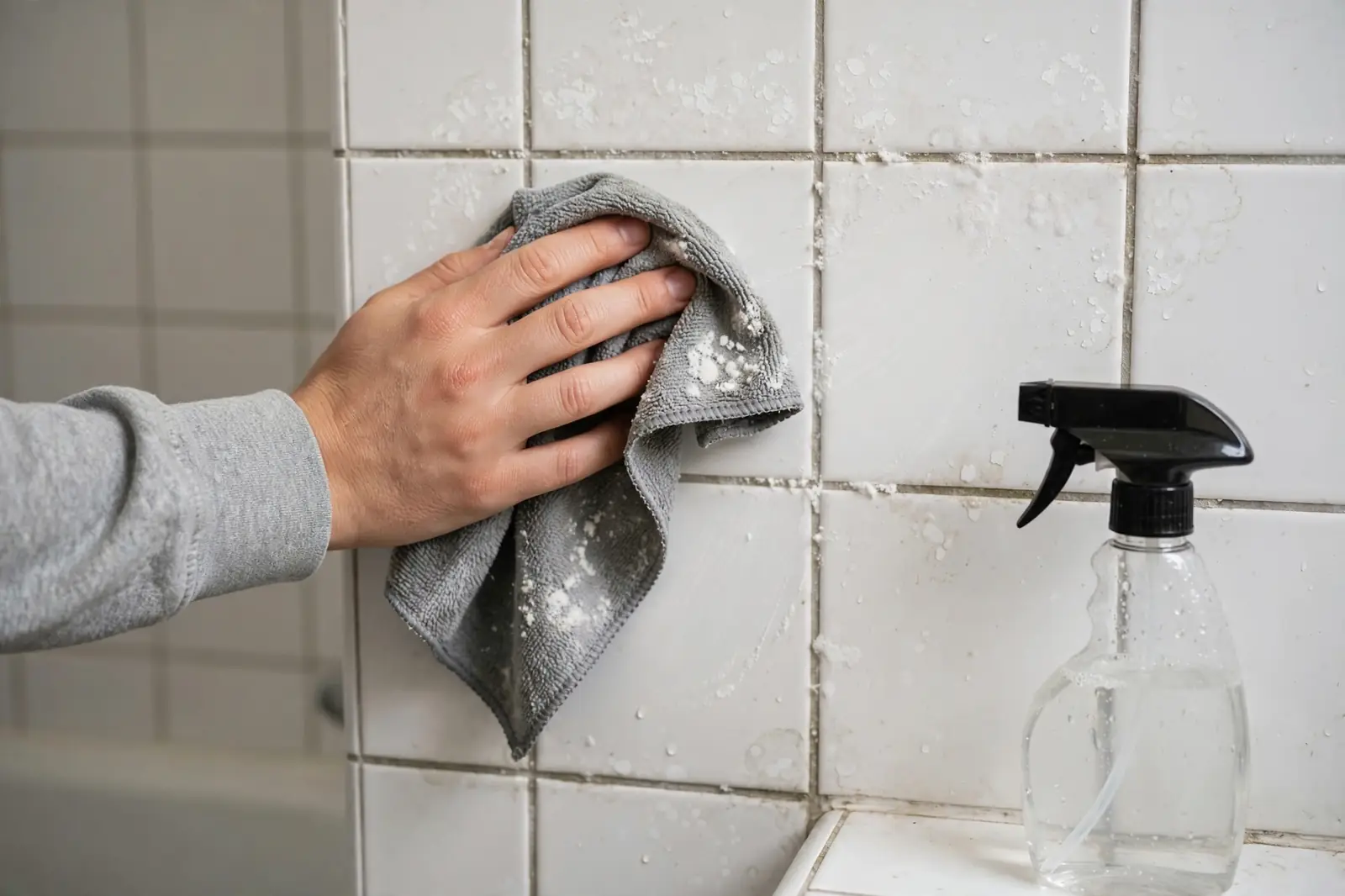
Cleaner response gives the sharpest test of all. Mildew wipes off hard surfaces with a basic bathroom cleaner. Mold on porous material fades on top while roots stay alive below. Which cleaner suits which surface is covered on our does bleach kill mold page.
When Does a Patch Stop Being a Cleaning Job?
Call for help when the patch behaves like mold on every test. Growth inside grout, drywall, or wood belongs to remediation, not scrubbing. Recurrence within weeks tells the same story as depth does. An independent mold professional can settle the ID before the spread continues.
Mold in your home or business?
Talk to a remediation specialist now — fast response across Fort Lauderdale.
Name It Right, Then Treat It Right
Mildew needs a cloth. Mold needs a plan. To get started, request a mold inspection or call (855) 732-0108. Describe the color, the surface, and how the patch behaves after cleaning. Mold Remediation Ft Lauderdale serves Fort Lauderdale and Broward County.
Mold Remediation Ft Lauderdale
(855) 732-0108
Frequently Asked Questions
Is mildew just the start of mold?
No, they are different fungi with different habits. Mildew stays on surfaces and never develops deep roots. Mold penetrates porous material and spreads from inside it. A mildew patch does not mature into a mold colony.
Can mildew grow on walls and ceilings?
Yes, on painted surfaces that collect steam and condensation. It forms flat, powdery films that wipe away cleanly. Growth that soaks into the drywall beneath points to mold instead. Check what sits under the surface before deciding.
What color is mildew compared to mold?
Mildew starts white or light gray and sometimes yellows with age. Mold runs black, green, brown, or orange as colonies mature. Color hints help, but texture and depth settle the ID. Dark and raised almost always means mold.
Does mildew smell like mold?
Both smell musty, but mildew stays milder and more sour. Mold odor feels heavier and lingers after ventilation. Smell supports the other clues rather than deciding alone. Use color, texture, and cleaner response together.
How do I get rid of mildew in a humid bathroom?
Wipe it from hard surfaces with a basic bathroom cleaner. Then dry the room with the fan after every shower. Mildew returns while surfaces stay damp daily. Our bathroom page covers the full recurrence fix list.
When should I test a patch instead of guessing?
Test when the answer changes what you do next. Deep, dark, recurring growth deserves a professional identification. A wrong guess wastes money on cleaning that cannot hold. An independent assessment settles species and scope in one visit.