
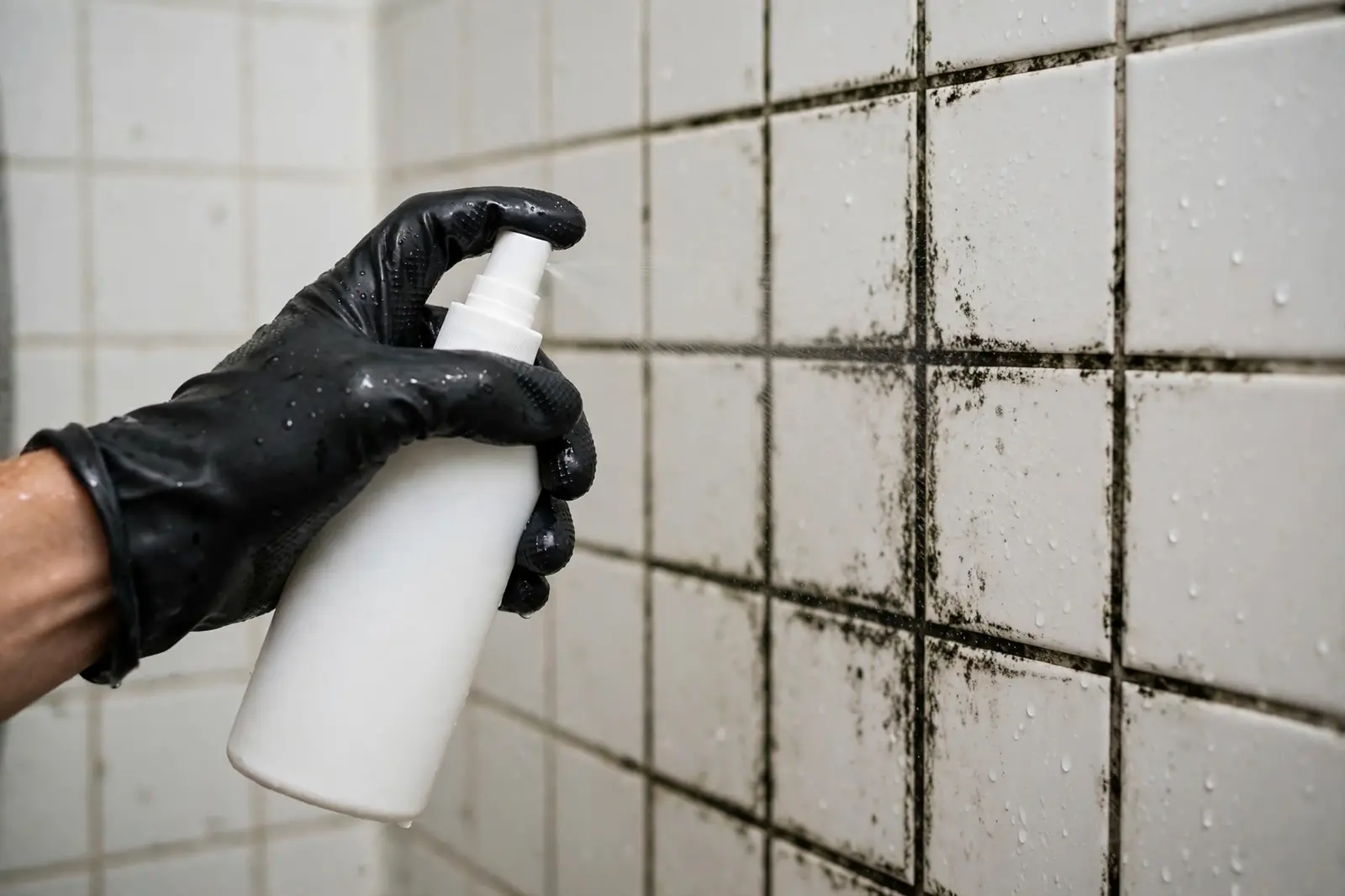
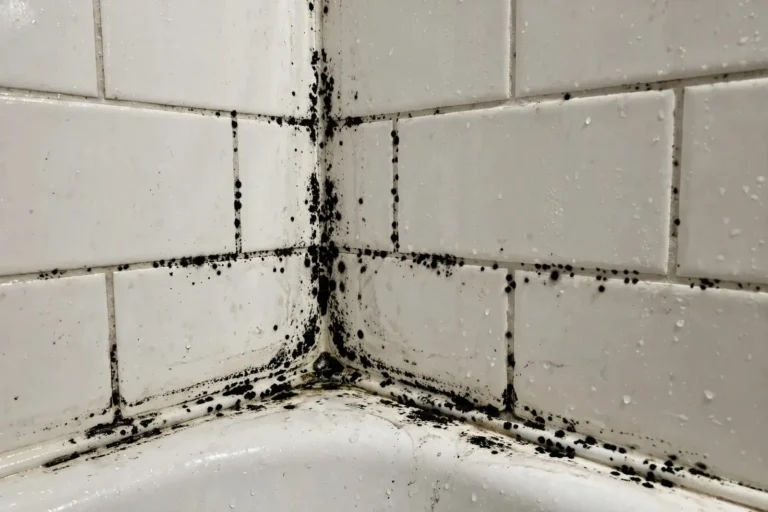
Bleach kills mold on hard, non-porous surfaces like tile and glass. On wood, drywall, and grout, it mostly bleaches the stain while the roots stay alive below. Chlorine sits on the surface, and the water in bleach soaks in and feeds regrowth. That gap between looking clean and being clean is why bleach has a mixed reputation.
Here is a scenario, not a real client story, but it repeats in Fort Lauderdale bathrooms weekly. A homeowner in Croissant Park sprays bleach on black grout lines and watches them turn white. She rinses, dries the shower, and counts the job finished by lunch. Three weeks later the lines darken again, fed by roots the bleach never reached. The surface looked clean while the colony kept its footing underground.
Mold in your home or business?
Talk to a remediation specialist now — fast response across Fort Lauderdale.
Why Does Bleach Fail on Porous Materials?
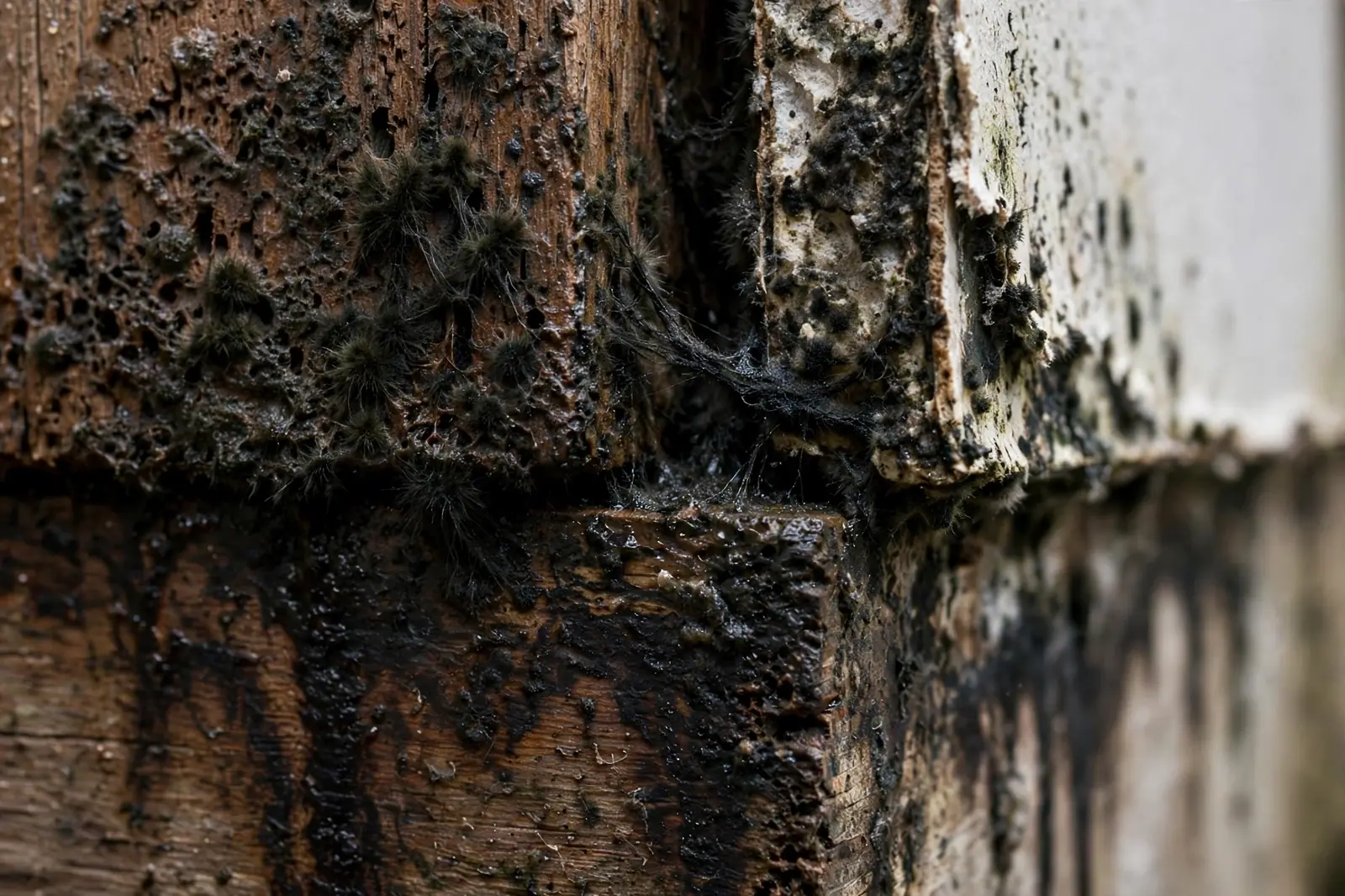
Drywall, wood, and grout are full of tiny pores and fibers. Mold grows root-like threads, called hyphae, down into those pores. Bleach cannot follow, because its chlorine ions are too large to sink in. The visible colony dies back while the root network survives untouched.
Most household bleach is about ninety percent water by volume. That water passes through the surface and dampens the material below. Roots drink it and push new growth back to the surface within weeks. The stain fades first, which hides the failure until the color returns.
Where Does Bleach Actually Work?
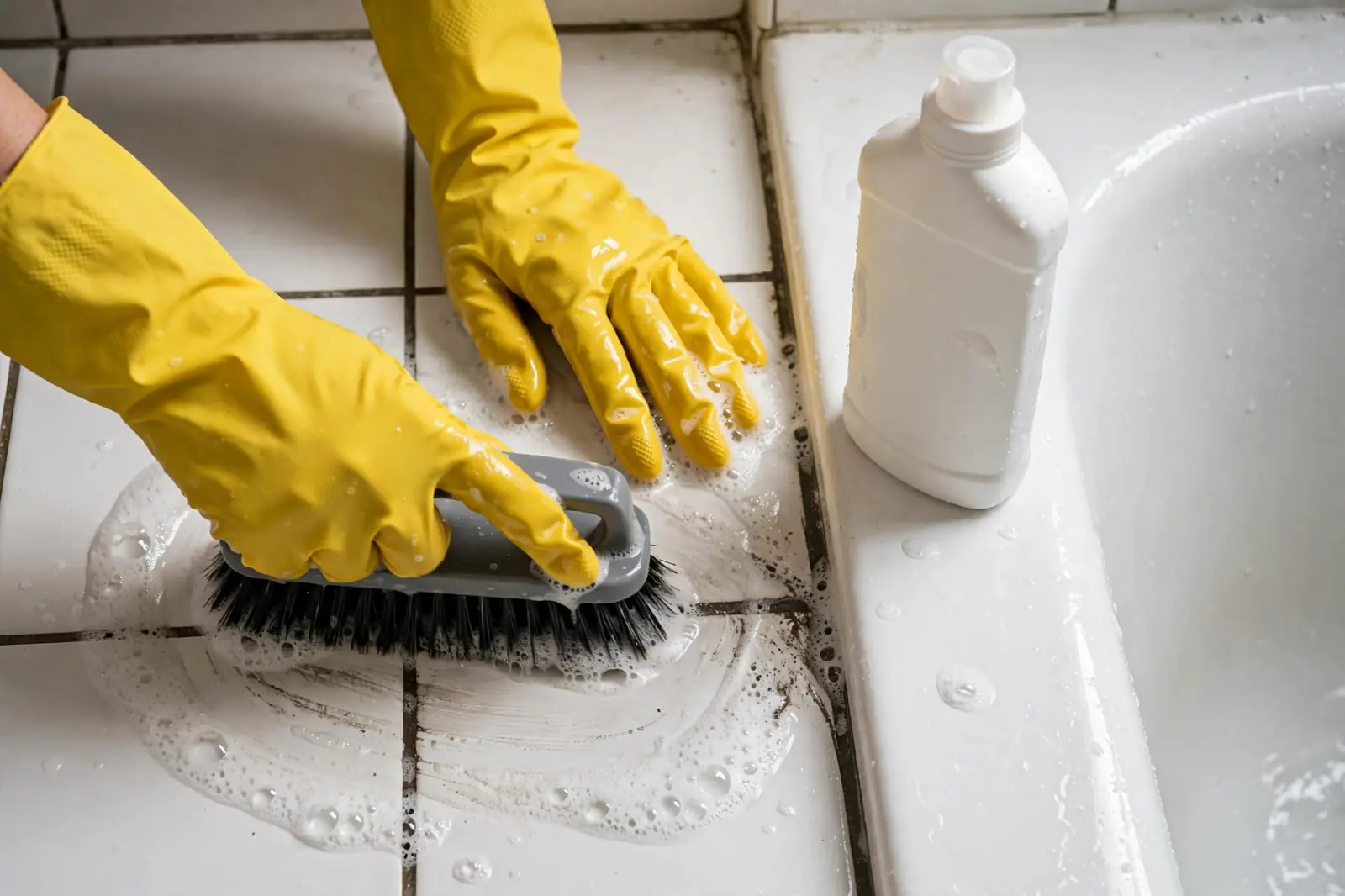
Bleach performs on sealed tile, glass, metal, and glazed porcelain. Those surfaces give mold nowhere to root, so surface killing is enough. A diluted solution, gloves, and open windows cover the safe use case. Never mix bleach with ammonia or vinegar, because the fumes turn dangerous fast.
Even on hard surfaces, bleach is a cleaner, not a rescue plan. It does nothing for growth inside drywall, insulation, or carpet padding. Small surface spots are the honest limit of what bleach handles.
What Should You Use Instead of Bleach?
For small surface spots, detergent and water with hard scrubbing beat bleach. Detergent lifts the colony off instead of just fading its color. Hydrogen peroxide at three percent also kills surface mold on many materials. It foams on contact and leaves no harsh fumes behind.
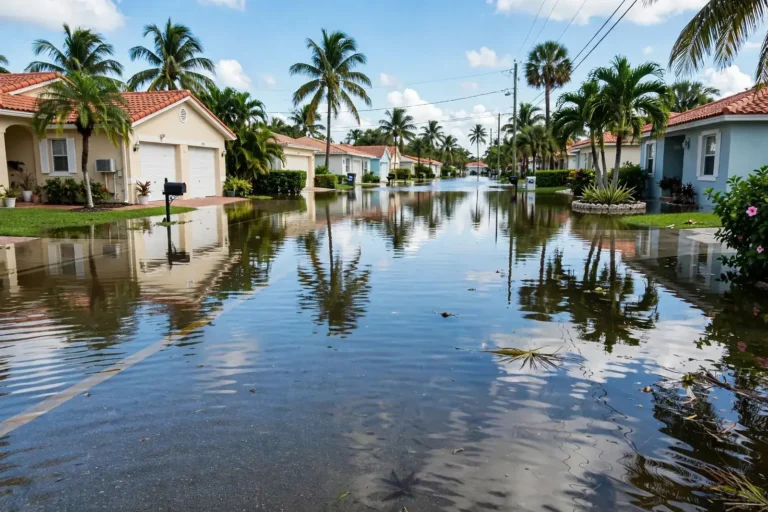
Drying matters more than the product in the bottle. A bathroom fan, an open window, or a dehumidifier decides whether mold returns. Fix the leak behind the growth, and keep the room dry between uses. Humidity targets are on our ideal indoor humidity page.
When Is DIY Cleaning Enough, and When Is It Not?
The EPA’s ten square foot guide is the usual dividing line. A patch smaller than that, on a surface you can scrub, suits home cleaning. Bigger patches suggest a moisture problem bigger than the visible spot. Growth near HVAC vents also argues for professional help early.
Those materials need removal, not a spray bottle. Larger jobs need containment and filtration to keep spores out of clean rooms. The full steps are on our process page.
Mold in your home or business?
Talk to a remediation specialist now — fast response across Fort Lauderdale.
Stop Feeding the Mold You Are Cleaning
Bleach makes mold look gone while its water helps roots regrow. To get started, request a mold inspection or call (855) 732-0108. Tell the person who answers which material is growing and how large the patch runs. Mold Remediation Ft Lauderdale serves Fort Lauderdale and Broward County.
Mold Remediation Ft Lauderdale
(855) 732-0108
Frequently Asked Questions
Does bleach kill black mold?
Bleach kills surface growth on hard materials like tile and glass. On drywall, wood, or grout, the dark color fades while roots survive below. Color was never the danger or the proof of success. Removing the growth and its moisture is what ends it.
Why did mold come back after I bleached it?
The bleach faded the surface colony but left roots inside the material. Its water soaked in and gave those roots fresh moisture. New growth then pushed back through within a few weeks. Porous materials need removal or a cleaner that lifts growth out.
Is vinegar better than bleach for mold?
On porous surfaces, vinegar often performs better than bleach. Its acidity sinks into wood and grout instead of sitting on top. It still cannot rescue soaked drywall or insulation. Never use vinegar and bleach on the same spot, because mixing acids with bleach releases dangerous gas.
Does bleach kill mold spores?
Bleach kills many spores it touches on hard, sealed surfaces. It cannot reach spores sheltered inside porous materials or wall cavities. Airborne spores also settle again from the room air after cleaning. Drying and source removal decide whether counts stay low.
Can I use bleach on drywall mold?
Bleach on drywall mostly wets the paper face and fades the stain. The gypsum core and paper backing stay damp and keep feeding roots. Small surface spots can be scrubbed with detergent instead. Moldy drywall past a small patch usually gets cut out and replaced.
What kills mold permanently?
No spray kills mold permanently while moisture remains available. Permanent results come from removing growth and fixing the water source. Drying the material and holding humidity down keep new spores dormant. Any product promise shorter than that is marketing.

2 Comments